
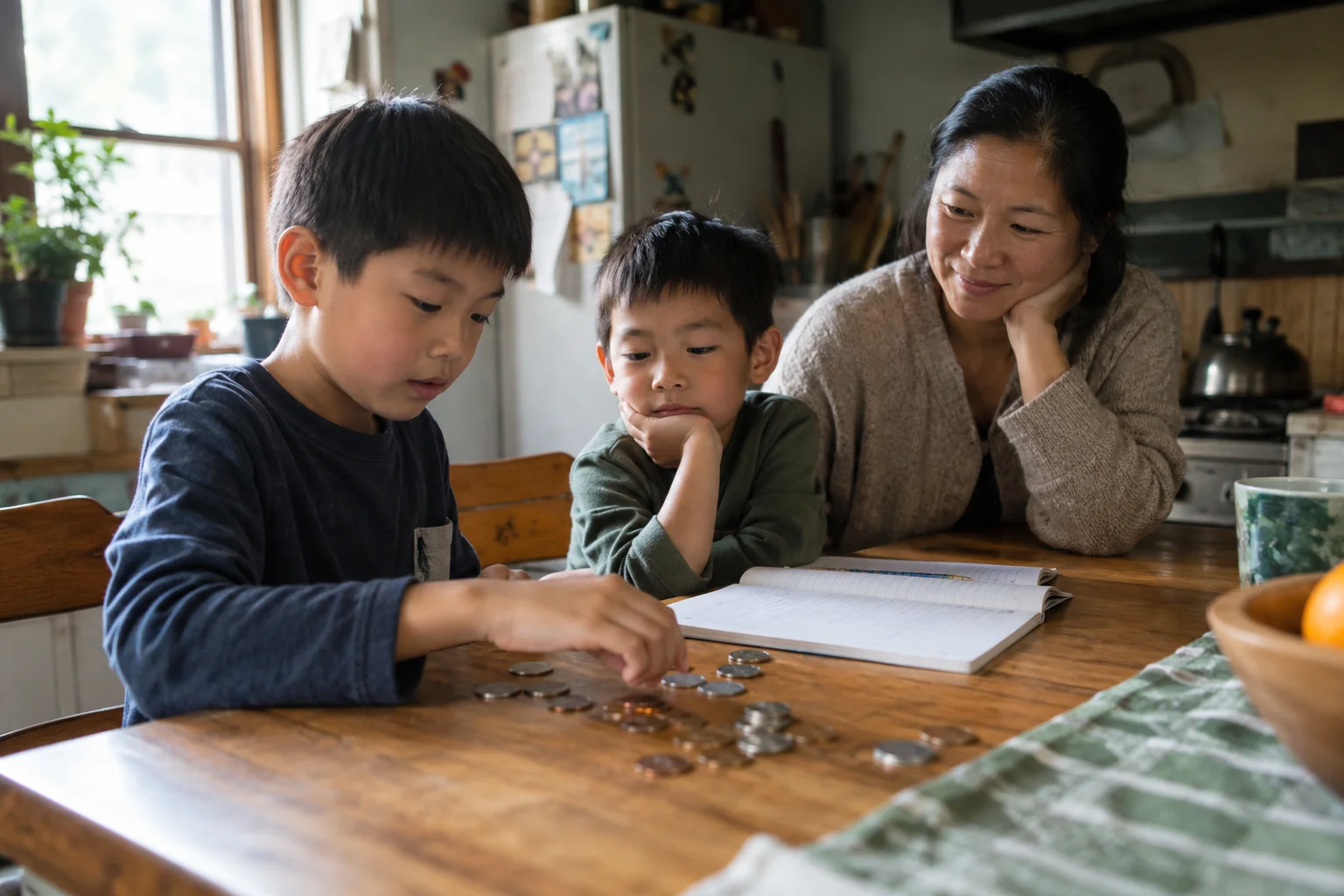
I have two sons, six and ten. Like most parents, I want to give them the best possible start in life. I want them to understand mathematics, communicate confidently, think independently and find their way in a changing world. But wanting the best for our children raises an uncomfortable question: why should access to a good education depend so heavily on how much money their parents have?
When something matters this much, parents will make enormous sacrifices. We will work longer, reduce our savings, move house and sometimes borrow money. That willingness comes from love. But it also creates a powerful commercial opportunity. It becomes easy to sell us the feeling that one more expensive school, tutor or programme might protect our children’s future.
I understand that feeling. I also think we should question the system built around it.
Education requires investment. Teachers deserve good salaries, children need support, and safe, welcoming learning environments cost money. My concern is what happens when we start treating educational opportunity as a premium product—and a higher price as evidence of a better future.
A child’s opportunity to learn should not be limited by their parents’ purchasing power.
When the cost changes whether people have children
In China, this question reaches beyond which school a family chooses. Education and housing costs can influence whether people feel able to have children at all. Reuters has reported how the expense of raising children, including housing near sought-after schools and education spending, deters would-be parents.
More recent reporting also identifies childcare and education costs, job insecurity and economic uncertainty as pressures on family decisions. In 2025, China introduced national childcare subsidies and announced fee relief for the final year of kindergarten as part of efforts to ease those burdens. Childcare subsidy reporting · Kindergarten fee reporting.
For some people, the calculation becomes: can we afford a suitable home, childcare and the education we believe our child will need? Others may feel they can manage one child, but not another. Costs are not the only influence on these decisions, and people should be free to choose whether to become parents. But wanting a family and feeling priced out of it is a serious problem.
That makes education affordability a question for the whole of society. If giving a child a reasonable start in life feels financially impossible, something needs to change.

What does $50,000 a year really mean?
Consider a hypothetical family spending $50,000 a year on education for 18 years. Keeping that amount fixed, they would spend $900,000 before adding university costs. This is an expensive example, well beyond what most families can afford. That is precisely why it is worth examining.
To understand the opportunity cost, imagine instead investing $50,000 on each of a child’s first 18 birthdays, then leaving the money invested until their 25th birthday. At an assumed annual compound return of 7%, it would grow to approximately $2.73 million. With inflation averaging 3% over those 25 years, that would have purchasing power equivalent to approximately $1.30 million at the child’s birth.
Of course, children still need an education during those years. You cannot fairly compare an expensive education with investing every dollar and spending nothing on learning. The useful question is how much a family could preserve if a more affordable option provided the education and support their child needed.
Even part of that difference could matter enormously in adulthood. It could help with housing, further study, starting a business or having the freedom to choose meaningful work.
Then consider borrowing. In a separate hypothetical example, a graduate repaying $200,000 of student debt at a fixed 6% interest rate over ten years would pay approximately $2,220 a month—about $266,000 in total. That is not a claim about typical student debt. It shows how borrowing can extend education’s price into a person’s working life.
We often describe education as a path to freedom. Its cost deserves scrutiny when it also limits the choices someone can make afterwards.
The deeper issue is who gets the opportunity
Most families cannot choose between spending $50,000 a year and investing it. They never had that money available.
For them, the question is more immediate: can my child receive individual attention? Will someone notice when they are struggling? Will they be challenged when they are ready to move faster? Will they have opportunities to experiment, create, collaborate and discover what interests them?
These should be ordinary expectations of education. They should not become privileges reserved for families who can afford an upgrade.
A child does not become less curious because their parents earn less. Their ability to contribute to the world does not shrink with the family budget. Yet opportunities can shrink around them. That is a loss for the child, and it is a loss for everyone who might one day benefit from what that child could do.
What future are we paying to prepare children for?
There is another reason to examine education’s cost: the world our children will enter will be different from the one we know.
That does not make knowledge useless. Reading, writing, mathematics, science and history give children the foundation to understand new information and challenge weak arguments. Without knowledge, it becomes harder to recognise when a person—or an AI—is confidently wrong.
But particular tools, working methods and job requirements will change. An education organised only around reproducing familiar answers may leave children poorly prepared to deal with unfamiliar situations.
I want my children to learn how to notice change, evaluate evidence, test an idea and develop a new skill. I want them to understand when to use technology, when to question it and when to ask another person for help.
This is why I believe Future Studies belongs in the main curriculum. Children should explore how the world might change and how they can adapt, participate and make useful contributions. They should learn to examine predictions rather than simply believe them.
When we invest in education, we should ask whether it develops that capacity. A high price alone cannot answer the question.
Technology should help widen access
One possibility that interests me about AI is its potential to make individual learning support more accessible. It could help explain a concept in different ways, identify gaps in understanding and prepare challenges suited to a child’s progress.
That potential still needs careful implementation. Children need relationships, encouragement, safeguarding, community and opportunities to work with others. Families also need time, equipment and support. An affordable subscription does not automatically create an accessible education.
But if technology helps reduce the cost of providing useful support, I want those benefits to reach more families. I want it to strengthen what educators and parents can do. The ambition should be bigger than building another expensive educational product for people who already have excellent options.
What this means for Learning of Life
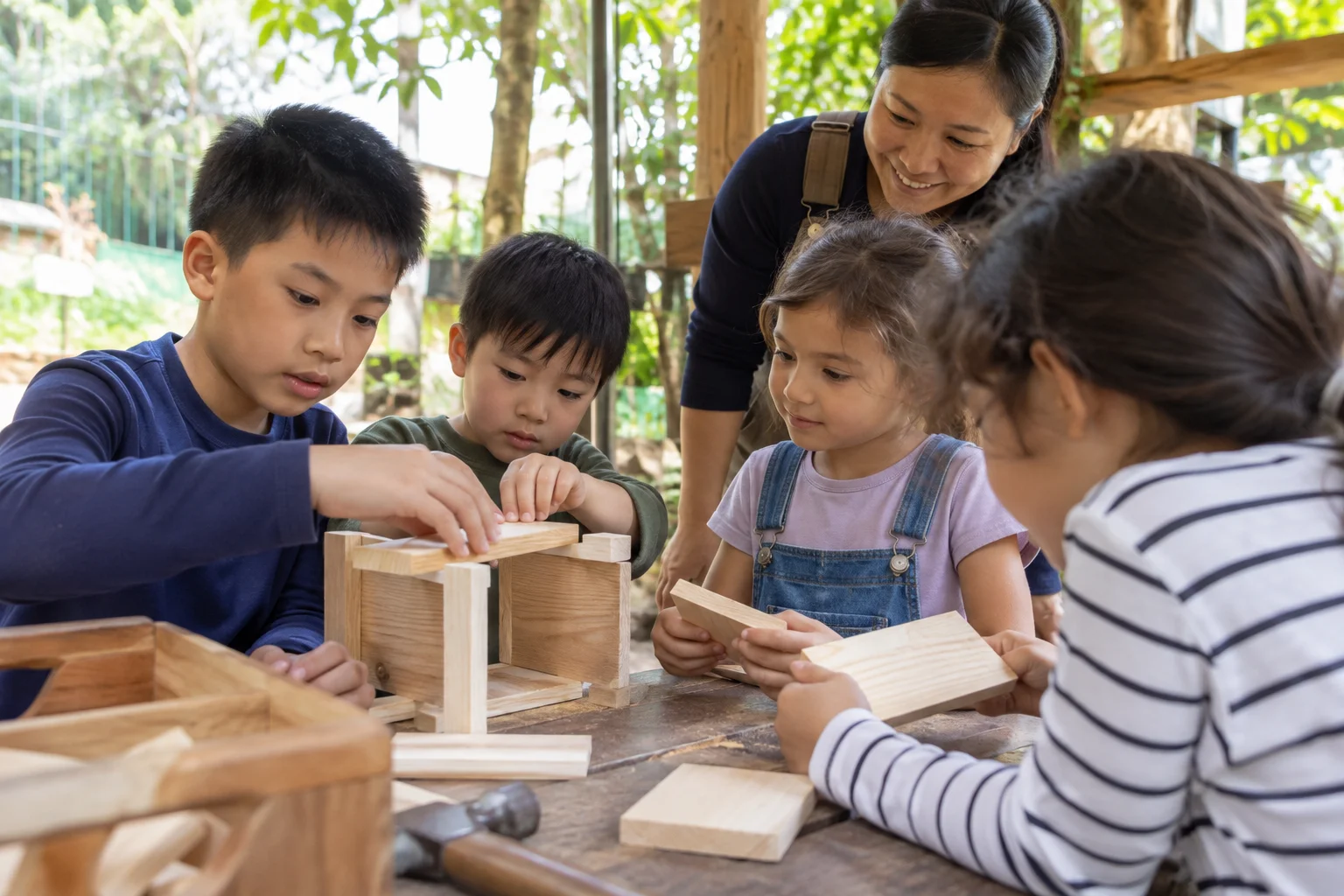
With Learning of Life, we are exploring how structured academics, thoughtful use of AI and experiences in the world can work together. The academic foundation matters. So does applying it: comparing prices, growing food, testing a water filter, interviewing someone, building something and explaining why it failed.
Much of this can begin close to home. A market, kitchen, local park, library or conversation with a neighbour can become part of a lesson. Travelling abroad can offer valuable experiences, but a child should not need a passport to benefit from this approach.
Accessibility also means recognising the work involved. A parent who works full time cannot simply become a full-time teacher, organise every activity and build a community alone. A useful system must help with those practical constraints through clear planning, shared resources and opportunities to learn with other people.
We are still building and testing these ideas. Affordability has to be part of that work from the beginning: what does a family actually pay, how much time does it require, and what support does the child receive?
The best education should leave children with more choices
I want my children to become capable adults who can understand the world and look after themselves. Financial understanding belongs in that education too: how interest works, what debt commits you to, how businesses create value and how to make decisions when resources are limited.
Those same questions should apply to the education we buy for them. What value does it create? What are the alternatives? What does it cost the family beyond the fee? Is it building understanding, confidence and independence?
We all want the best for our children. That shared hope should be a reason to build a better system for everyone. A good education can change a life. Access to it should not depend on winning the lottery of family wealth.
That is the ambition behind Learning of Life: strong foundations, the freedom to keep learning, and opportunities that more families can access.
The world is our classroom.
← Explore the journal