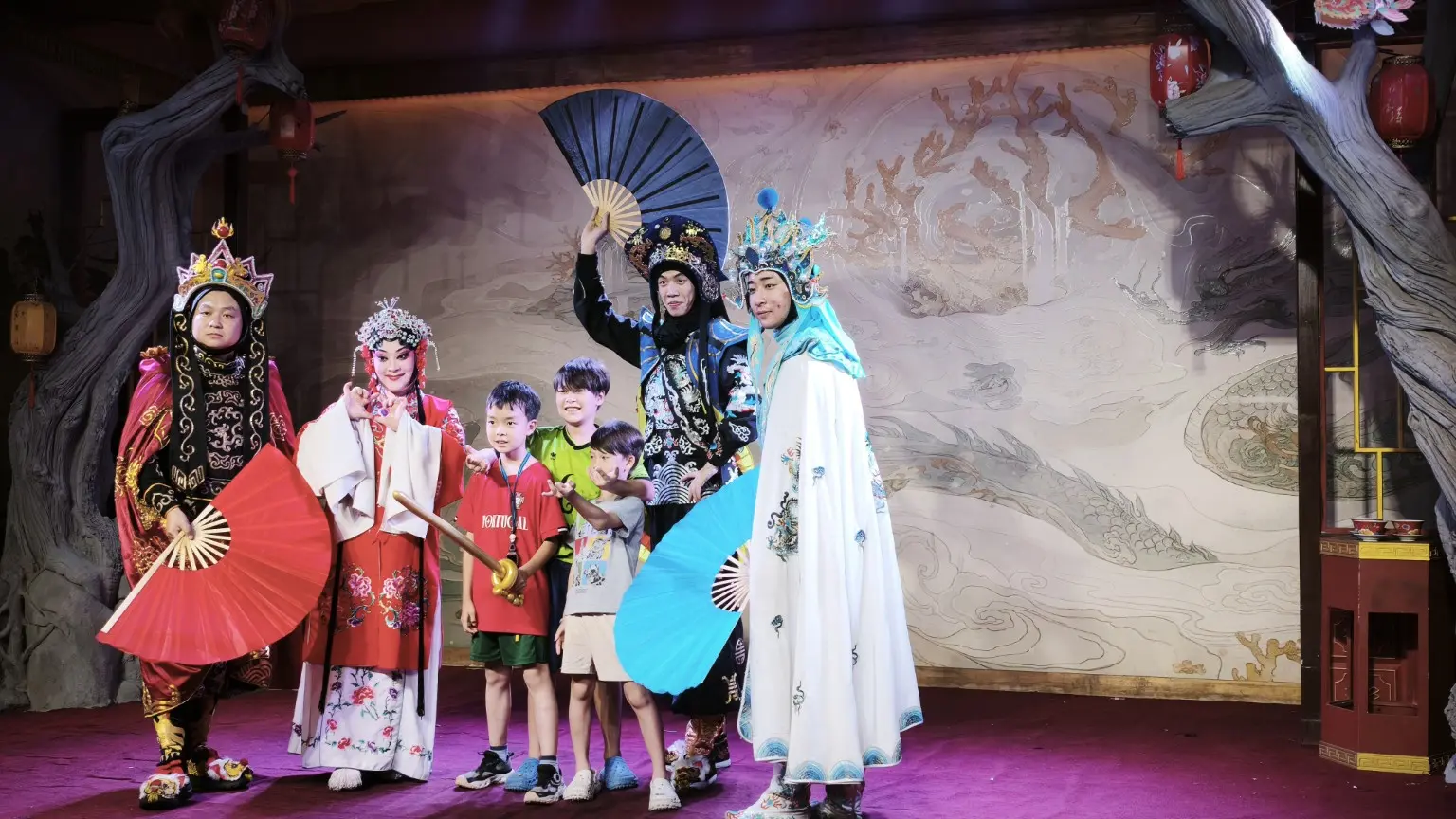
After years in Bali, we returned to China, where both of my boys were born. In two months, China taught them about identity, language, history and adaptability. It also showed us why travel becomes education only when children are encouraged to observe, investigate and ask questions.
Returning to their birthplace
After years of living in Bali, China became the first destination in our plan to use the world as a classroom.
For my boys, this was not simply another country to visit. China is where they were born and where the first part of their lives began.
I could show them photographs and tell them stories, but some parts of your identity cannot be understood through explanations alone. You need to hear the language, taste the food, walk through the neighbourhoods and experience everyday life.
Returning allowed China to become more than a memory from their early childhood. It became a living part of their story.
Seeing China with different eyes
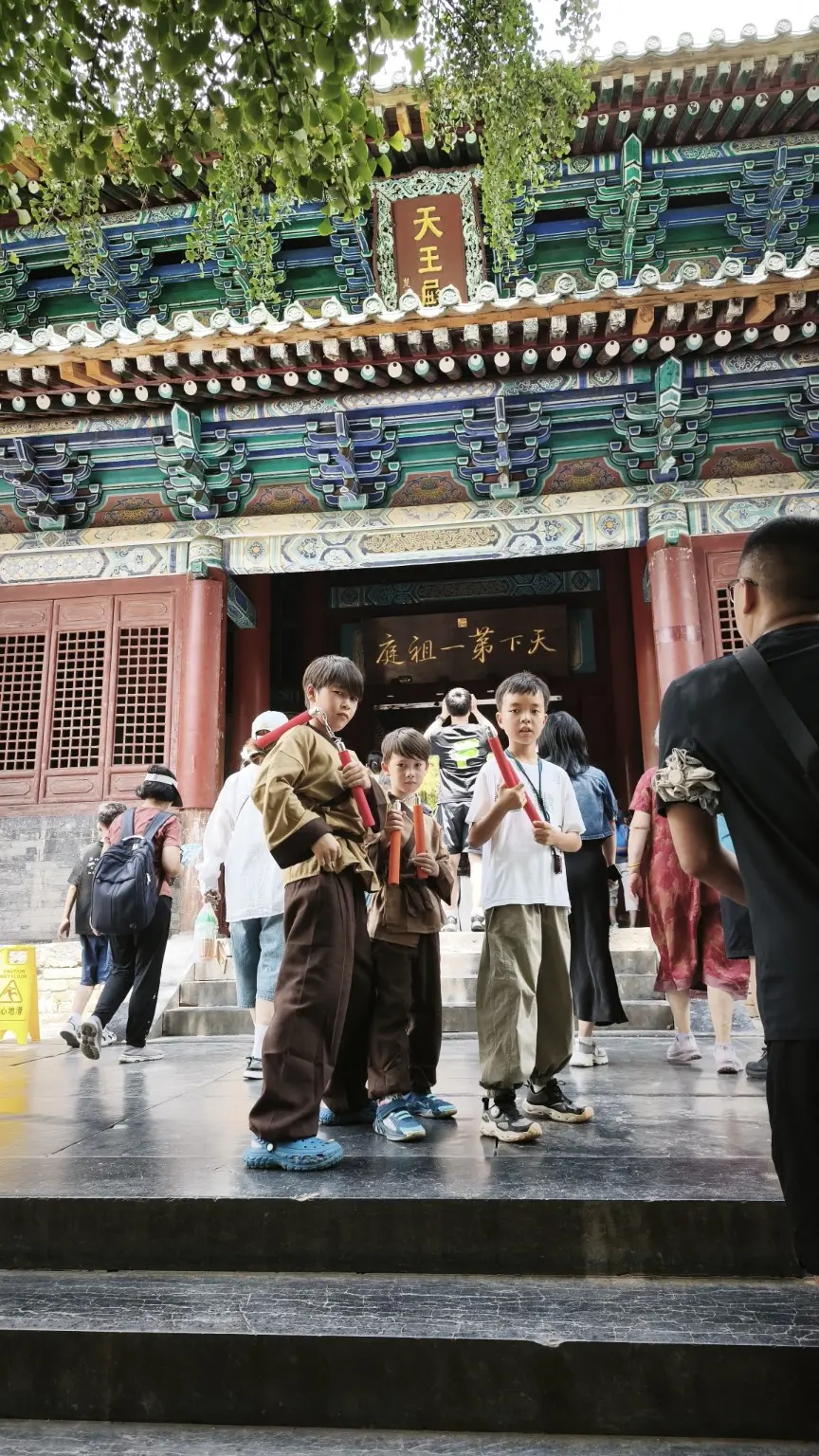
Bali gave the children rice fields, nature, outdoor freedom and a close community. China offered an enormous contrast: crowded cities, high-speed trains, historical monuments, digital payments and technology integrated into daily life.
The differences immediately created questions. How can so many people move around one city? How does a train travel at 300 kilometres per hour? Why do ancient temples stand beside modern towers? Why does almost everything happen through a phone?
When children enter a new environment, things they previously considered normal become visible. They begin to compare. Comparison creates curiosity, and curiosity creates learning.
A Professor LOL mission at every destination
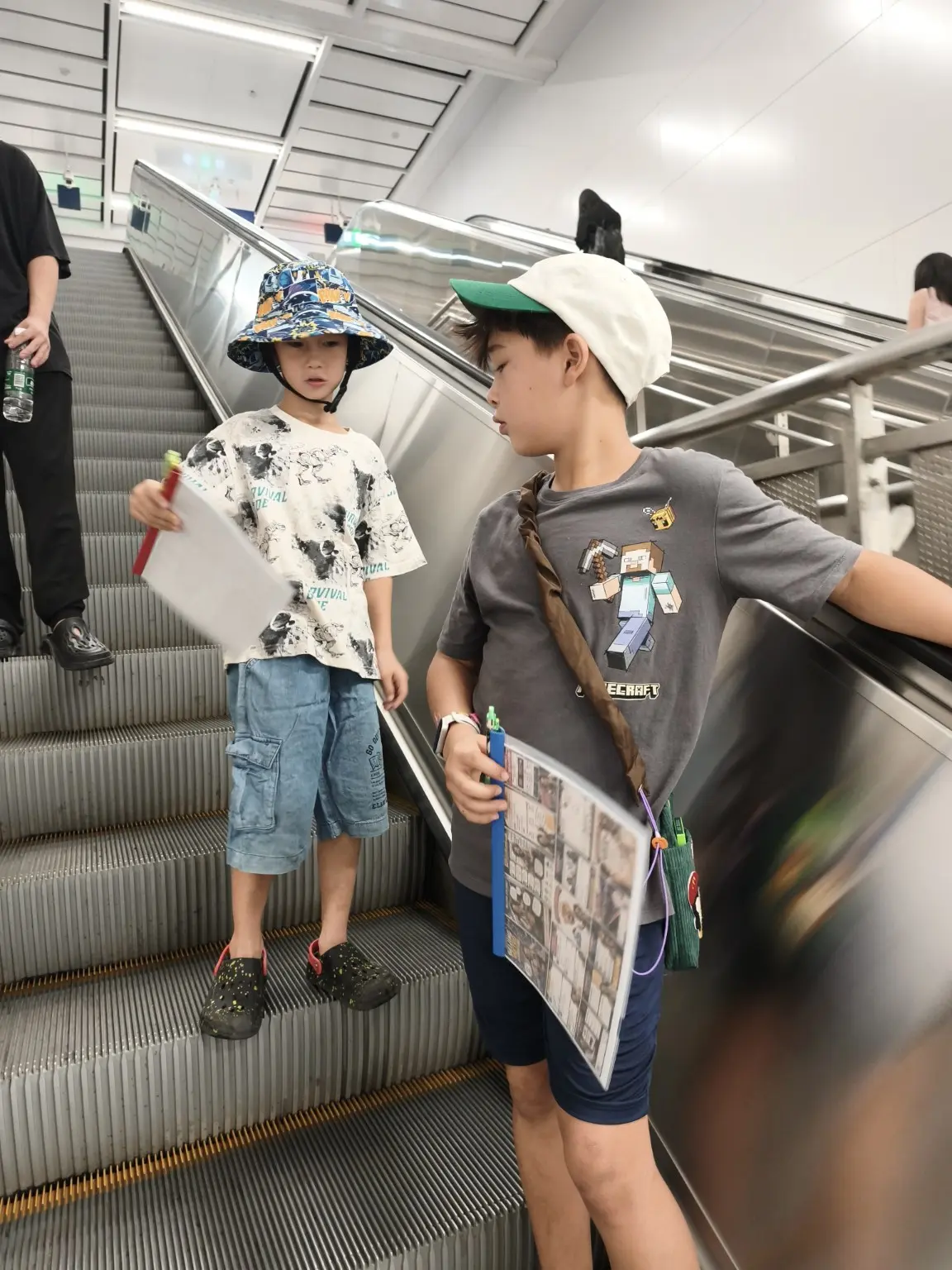
At every place we visited, the children received a special Professor LOL mission. Instead of only looking around, taking photographs and moving on, they had questions and practical challenges to complete.
In Beijing, they learned to navigate the metro by reading signs, choosing the correct direction and changing lines. On the high-speed train to Harbin, they followed the route, calculated speed and distance and observed the changing landscape. In Harbin, they investigated how a small fishing village became a city shaped by railways, migration and different cultures.
Professor LOL did not simply give them answers. The missions encouraged them to observe, investigate and discover new questions.
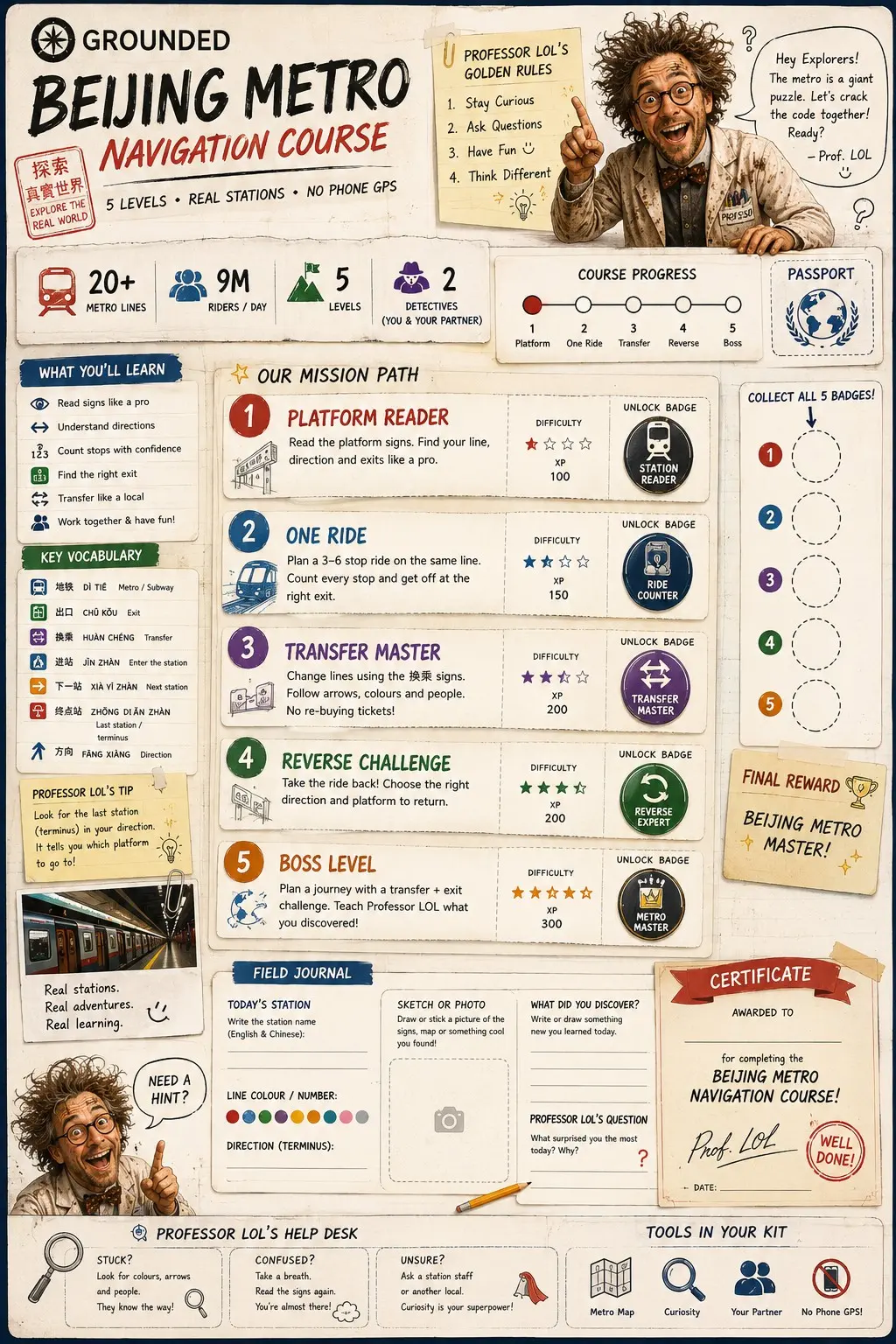
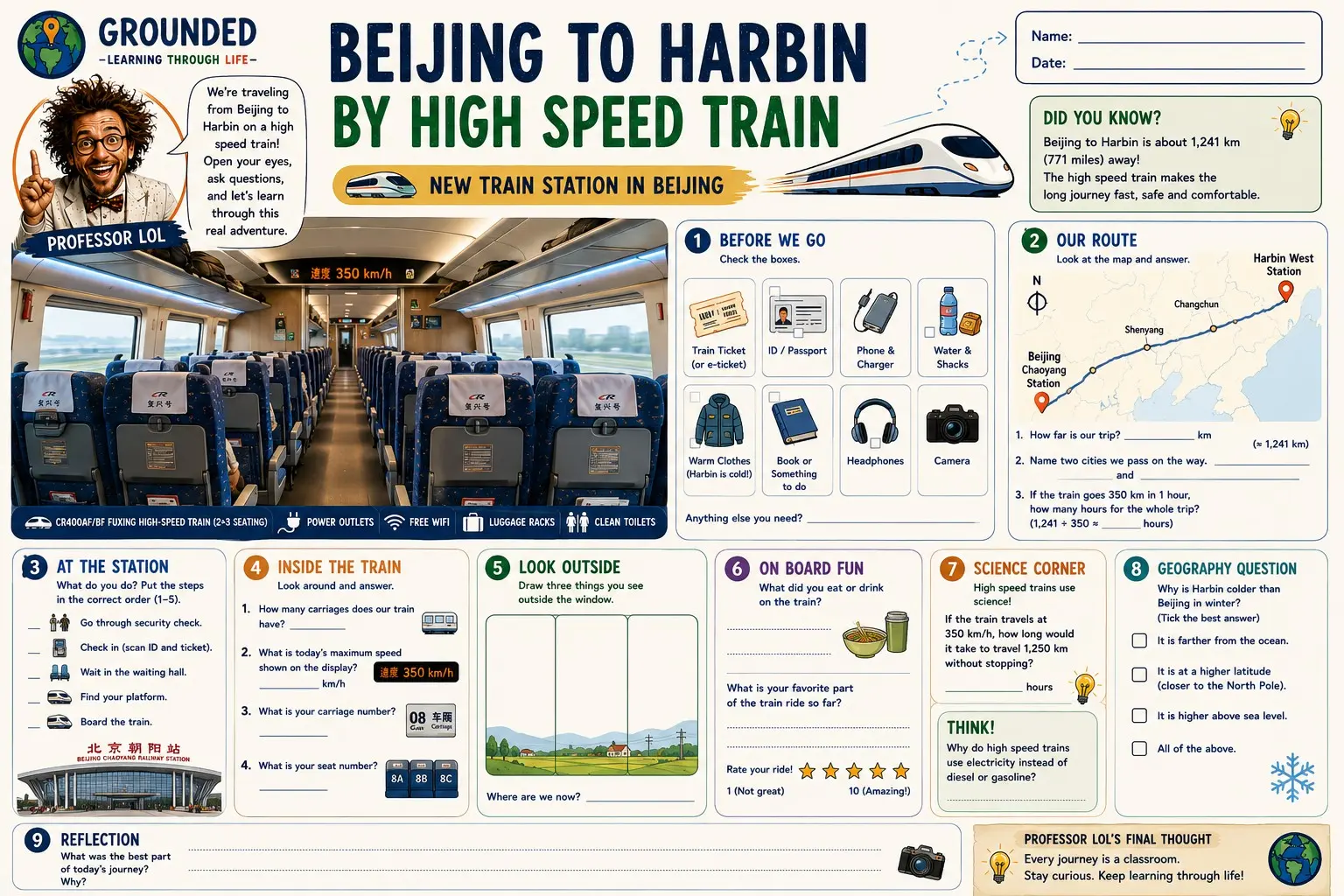
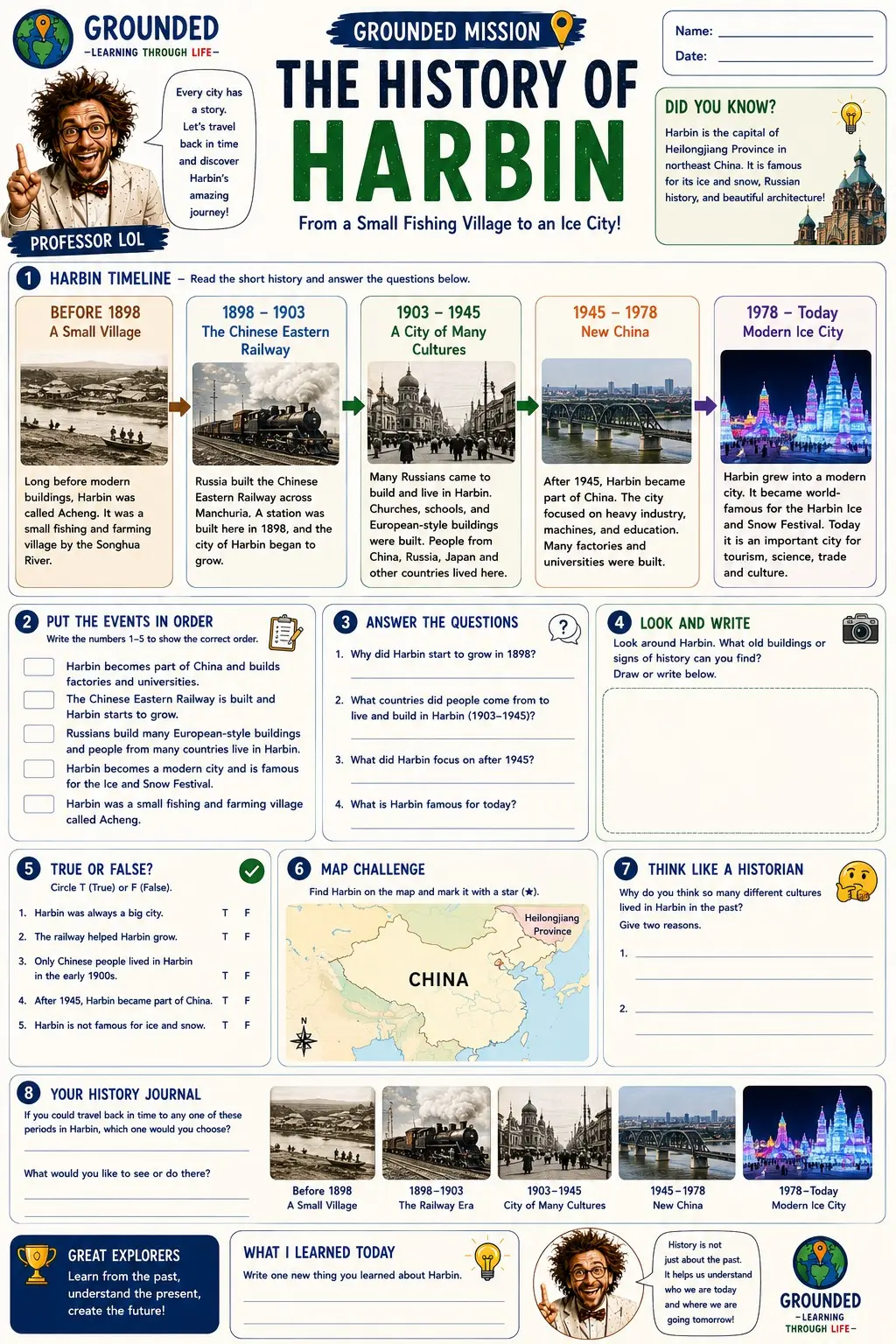
We did not only ask, “Did you enjoy it?” We also asked, “What did you discover—and what do you still want to know?”
Two months versus twelve years
One of the biggest surprises was how quickly my boys improved their Chinese.
After only two months in China, their Chinese was already better than mine after living there for twelve years. It was slightly embarrassing—but also a powerful lesson.
They heard Chinese while playing, travelling, shopping and ordering food. They copied expressions and used new words without waiting until every sentence was perfect.
I often spent too much time thinking before speaking. They simply spoke.
Their progress showed me the difference between studying a language and living inside it. A lesson can provide a foundation, but immersion gives language urgency, repetition and meaning.
History you can stand inside
China’s long history is difficult to understand through names and dates alone. It changes when you can stand on the Great Wall, look across the mountains and imagine the effort required to build it.
The questions become bigger than “When was it built?” How were the materials transported? Who did the work? How did soldiers communicate? What could the wall protect—and what could it not protect?
History becomes connected to engineering, geography, leadership, labour and survival. Standing in a historical place does not teach the complete story, but it makes children want to discover more.
The pressure to succeed
My boys also heard from Chinese children about the pressure education can bring. Some had around three hours of homework during the summer holiday. On ordinary school days, they could be busy from six in the morning until eleven at night.
Much of the focus was on remembering facts and producing the correct answer. Asking a question could sometimes feel like admitting that you did not understand.
Facts and discipline still matter, but AI can now retrieve information within seconds. Children will increasingly need to think independently, judge whether information is reliable and ask better questions.
A question does not show that a child has failed to understand. It often shows that the child has started thinking.
Ordinary life became part of the lesson
Not every day needed a museum or planned educational activity. Finding the correct subway line required reading signs and making decisions. Ordering food required language. Planning a journey required understanding time and distance. Getting lost required staying calm and finding a solution.
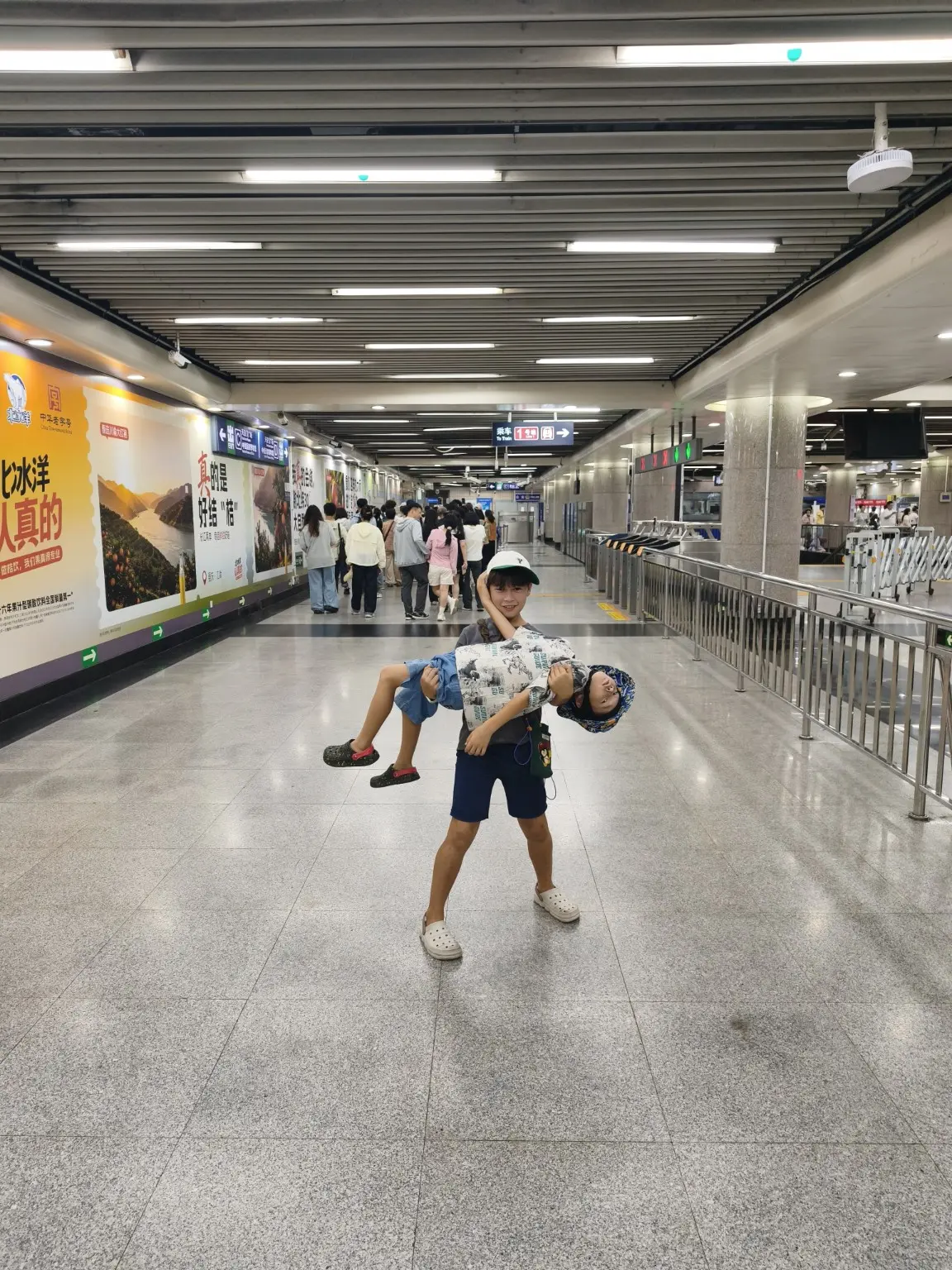
Travel is not always comfortable. Plans change, people become tired and places are sometimes different from what we expected. Those moments are not interruptions to education. They are part of it.
Born in China, learning from the world
China will always be part of my boys’ story. It is where their lives began, but it does not define the limits of who they can become.
They can learn from China’s history and speed, from Bali’s nature and community, from Thailand’s culture and from places we have not yet visited. Every part of the world can teach something different.
We did not return only to show the children where they were born. We returned so they could experience it, question it and make it part of their own identity.
China was their birthplace.This time, it also became their classroom.
Why we left full-time Bali.
Read how we began turning China, Chiang Mai and future journeys into one connected world classroom.
Read the previous story →