Bali has given our family nature, freedom, friendship and years of unforgettable learning. But Learning of Life was never meant to be tied to one place.
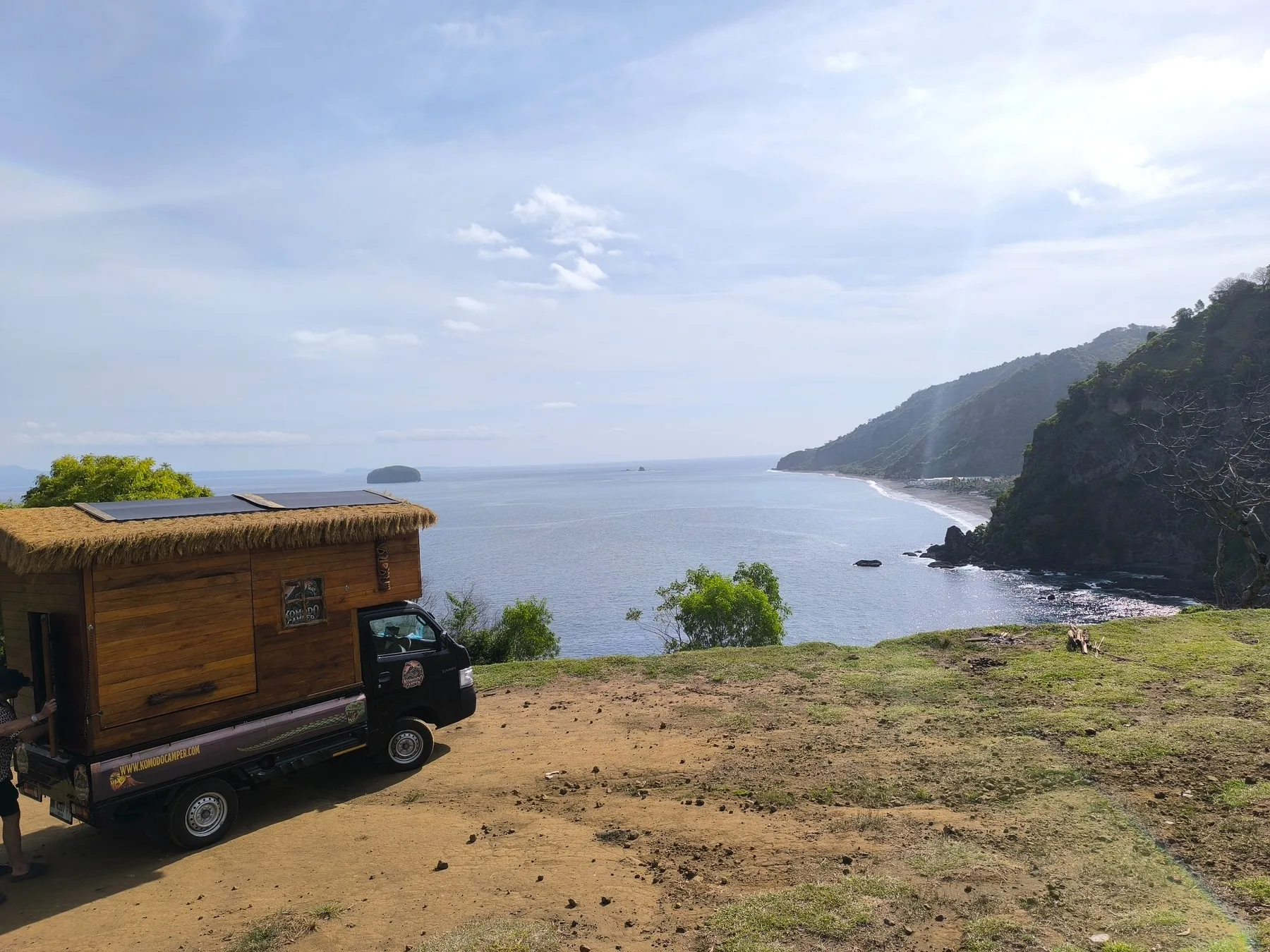
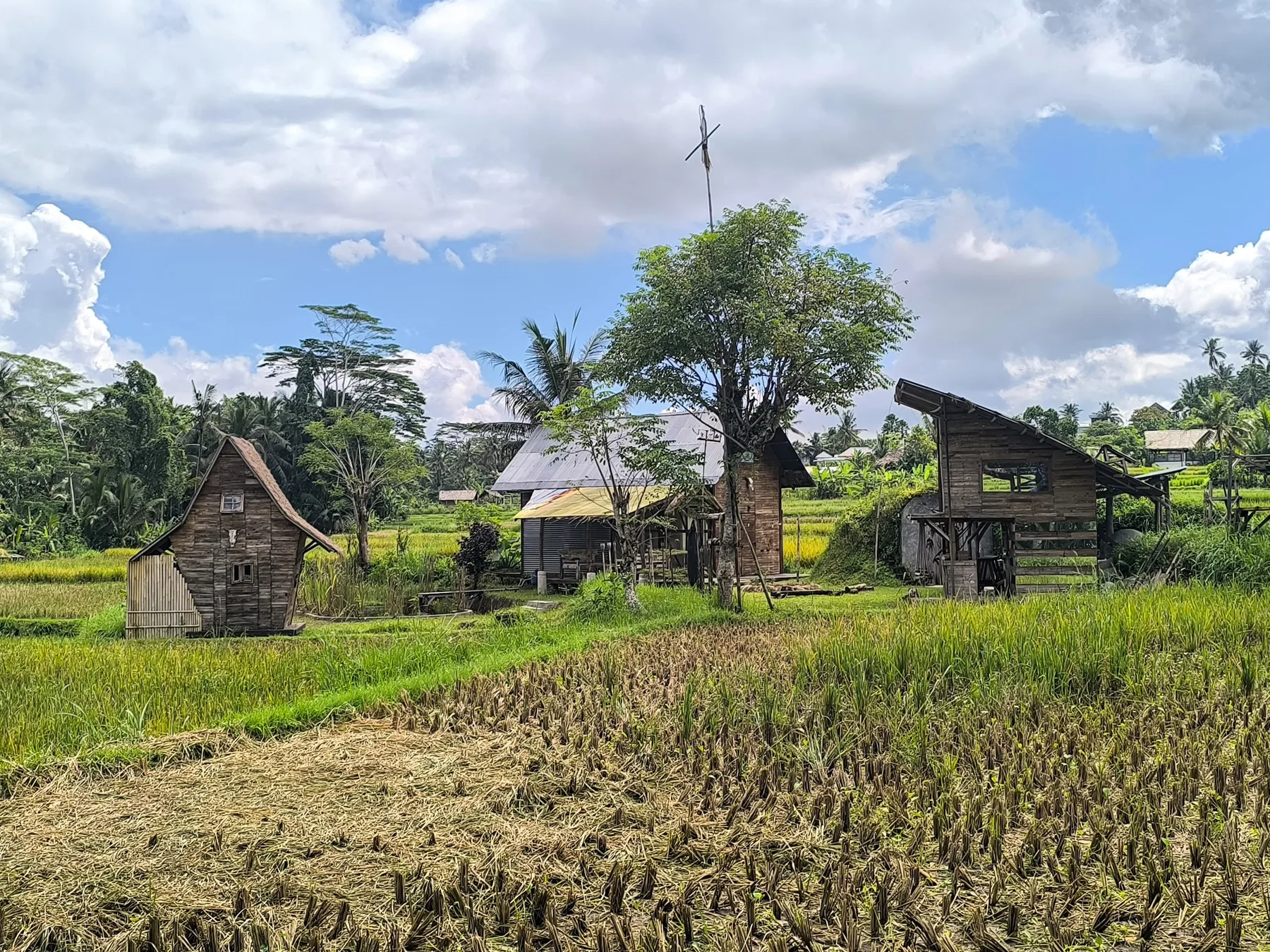
For years, Bali was our full-time home. The children learned among rice fields, helped build real projects, explored different islands and grew up inside a close community.
Leaving full-time life in Bali does not mean rejecting it. Bali will remain part of who we are. It means asking a bigger question: what if children did not have to choose between learning in one place and discovering the wider world?
What if the world itself could become part of their education?
Our first destination: China
Our first destination will be China, the country where the children were born.
Returning to China is more than a trip. It is a chance for them to connect with the beginning of their own story and experience a part of their identity that cannot be understood only through photographs or explanations.
China can teach them through daily life: speaking and listening, navigating enormous cities, travelling by high-speed train, ordering food, meeting people and observing how a society can change at remarkable speed.
History is present in temples, old neighbourhoods and the Great Wall. Technology is visible in transport, robotics, electric vehicles and digital services. Economics is visible in every market, factory, shopping street and fast-growing company.
A country is not one school subject. It is history, language, culture, technology, economics and human behaviour happening at the same time.
That is what makes travel such a powerful classroom. The subjects stop being separate. Children begin seeing how the pieces of the world connect.
After China: Chiang Mai
After China, our next chapter will be Chiang Mai.
Chiang Mai offers a different rhythm. It brings together Thai culture, nature, food, crafts, international families and a growing community of people who are exploring new ways to live and learn.
The value is not that one city is better than another. The value is in the contrast.
Moving between places helps children notice what they would otherwise take for granted. Why do people eat differently? How do families use public space? What does respect look like in another culture? Why do cities develop in different ways? What can one community learn from another?
Comparison creates questions, and questions create learning.
The ideal is not one permanent place
Our ideal future may not be to replace Bali with another single full-time home.
It may be a thoughtful combination of different parts of the world: enough time in each place to build friendships and understand daily life, but enough movement to keep discovering new perspectives.
This is not about collecting countries or turning education into an endless holiday. Moving constantly can become tiring and shallow. Children still need rhythm, responsibility, close friendships and a community in which they belong.
The aim is slower and more intentional: stay long enough to participate, not only observe. Learn some of the language. Meet local people. Work on a real topic. Contribute something. Reflect before moving on.
Stay long enough to connect.
Travel slowly enough to notice.
Learn deeply enough to change.
Keep friendships across borders.
Use every place with respect.
Why not take the classroom to Japan?
Imagine a small group of classmates spending several weeks in Japan together.
Before leaving, they could investigate the country and decide what they want to understand. During the journey, Japan becomes the source material.
History could be explored in castles, temples, museums and the stories of how Japan rebuilt itself. Culture could be experienced through food, language, etiquette, design and everyday public life.
Technology could be studied through high-speed trains, robotics, manufacturing and the way Japanese engineers improve products through careful attention to detail. Economics could be found in convenience stores, family businesses, global brands, tourism and the challenge of an ageing population.
How did Japan become a global technology leader?
Why do its cities feel organised despite their size?
How do tradition and modern life exist together?
How does Japan design products that are used around the world?
What can other countries learn from Japan—and what can Japan learn from them?
The children could interview people, keep a journal, calculate a travel budget, compare transport systems, prepare a shared meal and present what changed their thinking.
They would still read, write, calculate and research. The difference is that those skills would have a real purpose.
Christmas with old classmates in the UK
We already experienced what this kind of international community can feel like last Christmas.
We travelled to the United Kingdom to celebrate Christmas and several birthdays with old classmates. These were friends who had once shared everyday school life but who now live and travel in different parts of the world.
When the children met again, the distance between them quickly disappeared. They played, talked, celebrated and continued their friendship as if the different countries in between had only been a short pause.
The gathering reminded us that a community does not always need to live in one neighbourhood. Families can follow different paths, explore different countries and still make the effort to come together.
The children also brought their different experiences back to the group. Each family had new places, cultures and stories to share. Their friendship became a bridge between those different worlds.
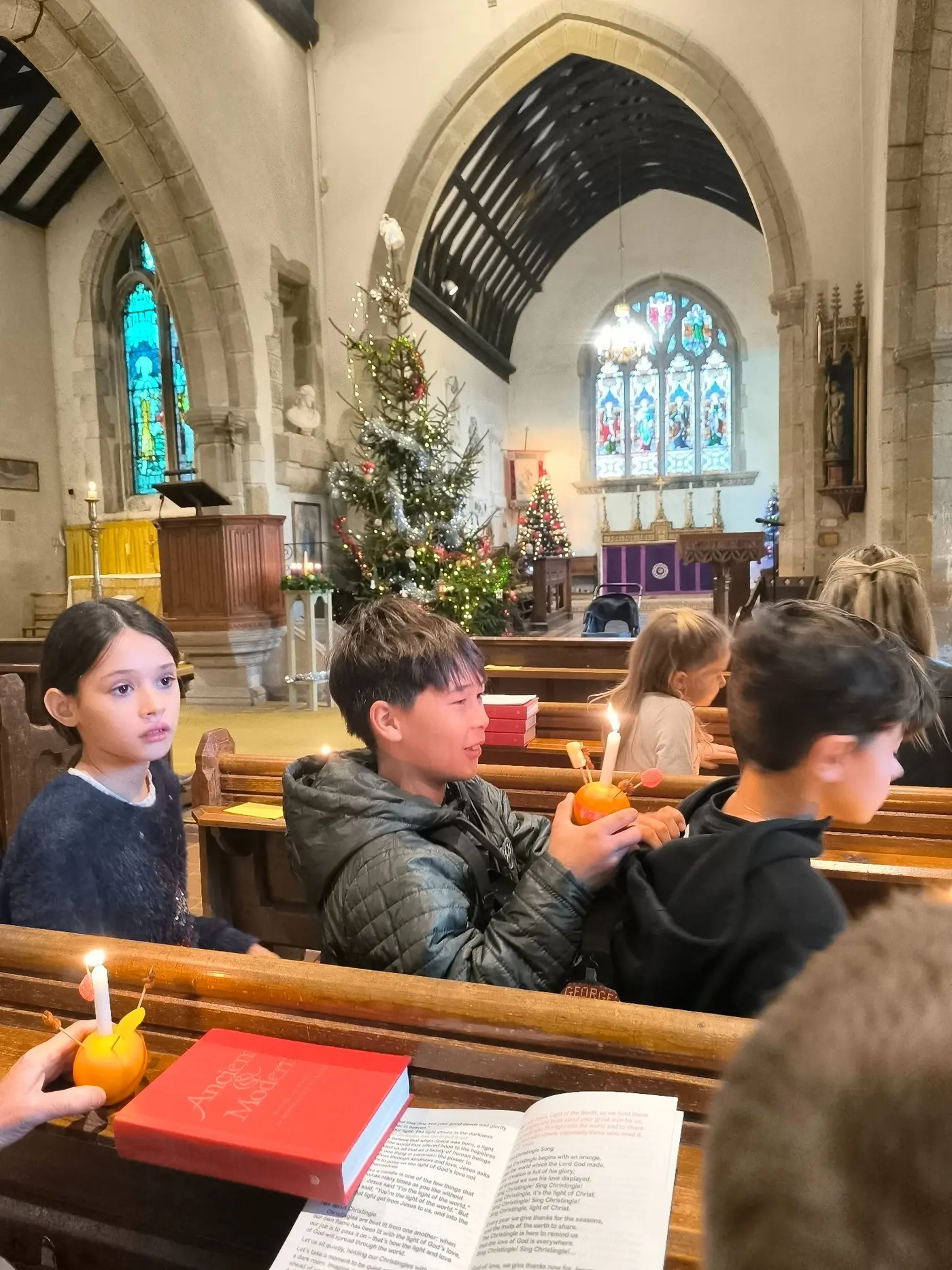
Home is not only a place. Sometimes it is the group of people who keep finding their way back to one another.
Celebrating birthdays and Christmas together was not a formal lesson, but it taught something important: possessions do not hold a community together. Shared time, effort, traditions and memories do.
Learning together matters
Travelling with classmates would make the experience more than a family journey.
Children need friends. They need to negotiate plans, share space, solve disagreements, laugh together and create memories that belong to their group. Community remains more important than destinations or possessions.
A beautiful place can feel empty without people to share it with. A difficult day can become one of the best lessons when friends solve it together.
The world classroom should not isolate children. It should connect them more deeply—with their classmates, with local communities and with people whose lives are different from their own.
Friendship does not have to end when somebody moves away. Families can live in different countries and remain connected. They can plan new adventures together, work on shared projects and meet again in different parts of the world.
The community can travel too.
Travel is not automatically education
Simply arriving in another country does not guarantee that a child will learn anything meaningful.
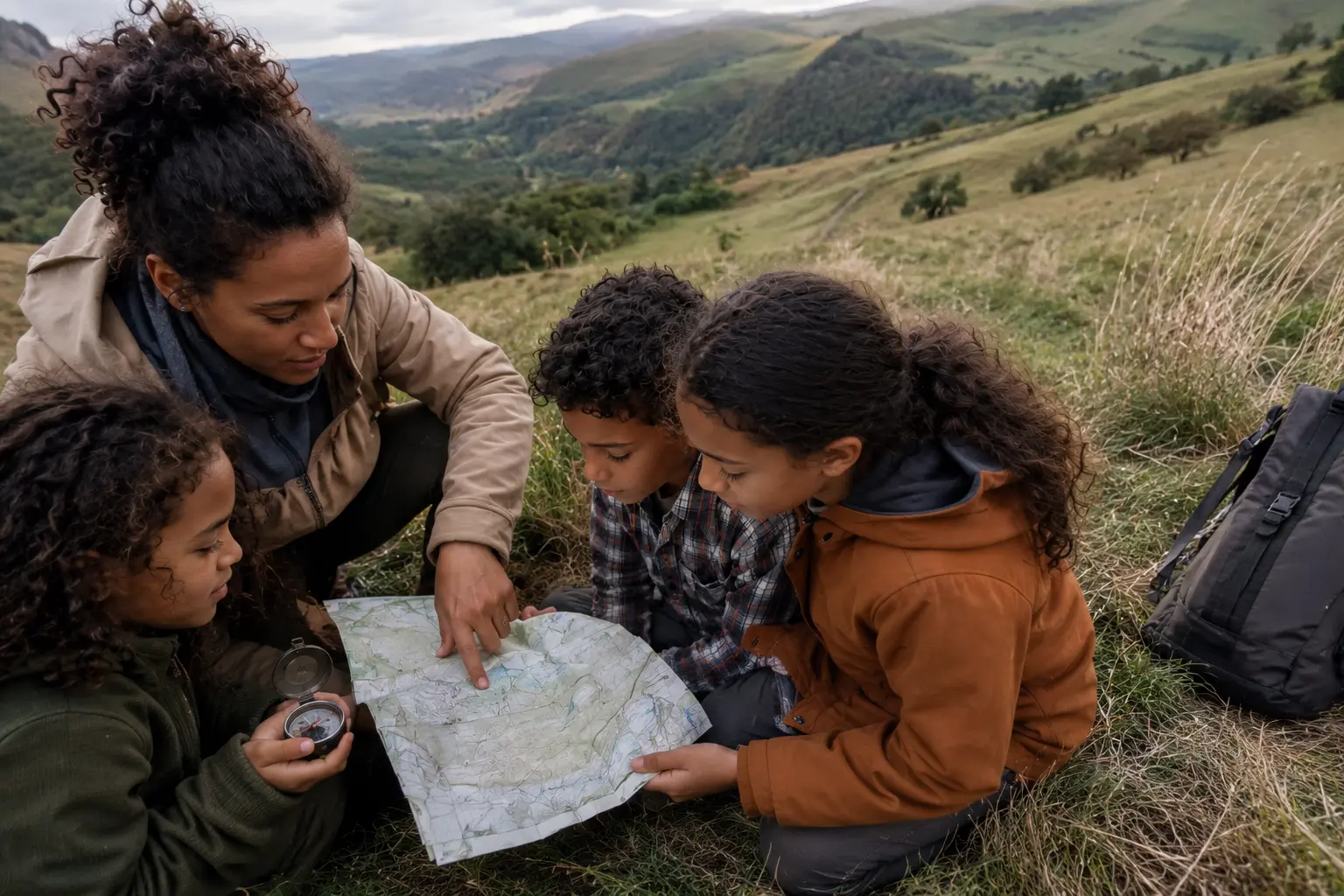
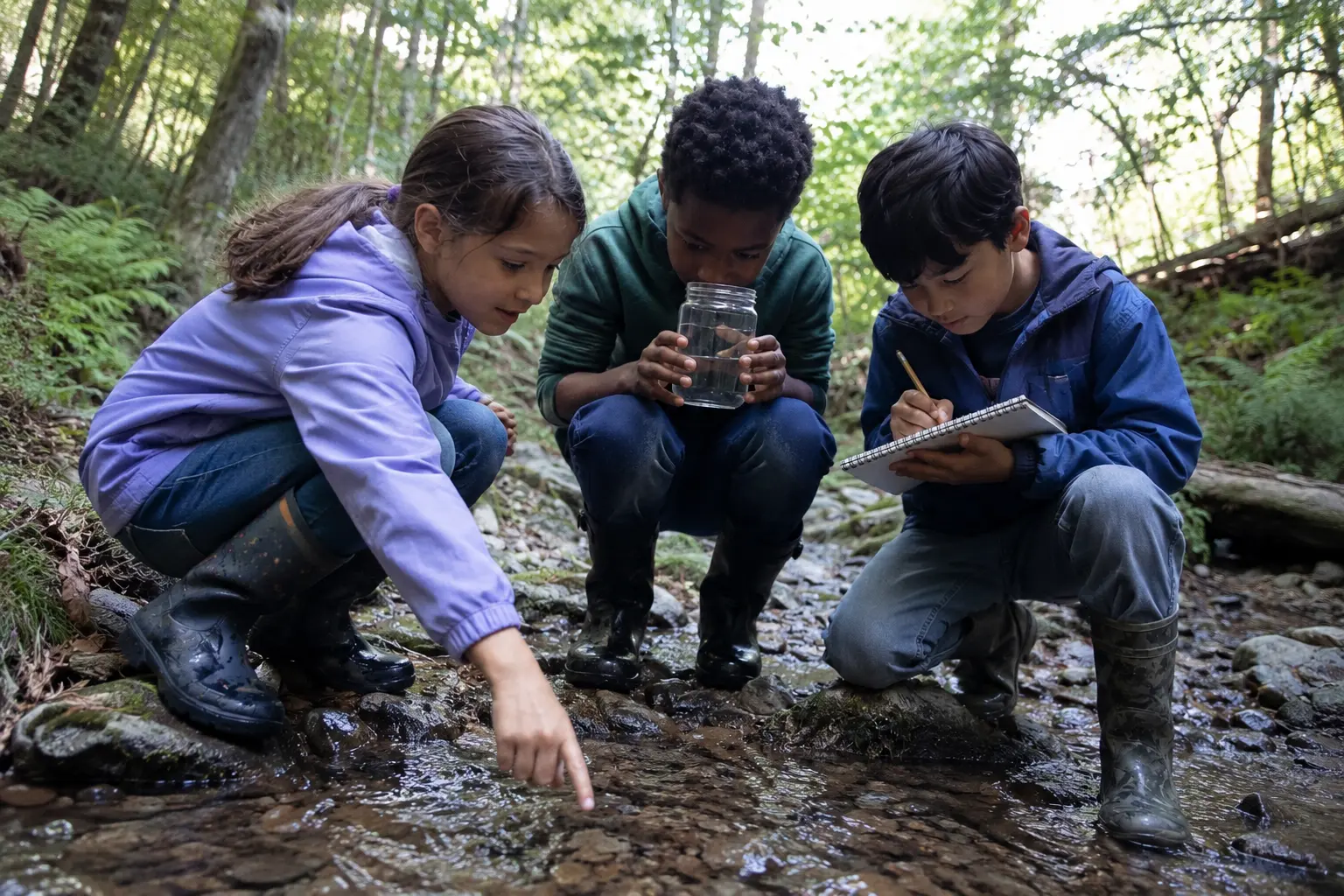
A world classroom needs curiosity and participation. Children need time to ask questions, investigate, make something, speak with people and think about what they experienced.
Parents and teachers do not need to turn every hour into a lesson. That would remove the freedom that makes discovery powerful. But we can create a simple rhythm around each journey.
Before: What do we think we know?
During: What surprises us, and who can we ask?
After: What did we understand wrongly, and what will we do with what we learned?
This turns travel from consumption into participation. The destination is no longer a background for photographs. It becomes a place that challenges the way we think.
A different definition of stability
Some people may see moving between countries as the opposite of stability. But stability does not only come from staying in one building.
It can come from family routines, trusted friendships, familiar learning habits and the confidence that we can build a temporary home wherever we arrive.
Children can have roots and still explore. Their roots can be their values, relationships and sense of belonging rather than only one address.
Our responsibility is to protect those roots while giving the branches room to grow.
What school cannot provide by itself
School remains important. Children need strong foundations in reading, writing, mathematics and science.
But a school cannot recreate every part of life.
It cannot fully reproduce the experience of trying to communicate in another language, finding your way through an unfamiliar city or meeting somebody whose culture is completely different from your own.
It cannot perfectly simulate the feeling of standing inside a historical place or seeing how a real factory, market, transportation system or business operates.
These experiences do not replace academic learning. They give it context.
Mathematics becomes more meaningful when children use it to manage a travel budget.
History becomes more powerful when they stand in the place where it happened.
Language becomes necessary when they want to make a friend.
Technology becomes understandable when they can see how it changes a city.
Economics becomes real when they compare prices, businesses, jobs and the different ways people earn a living.
The world is our classroom
China can reconnect the children with the country where they were born. Chiang Mai can introduce them to another culture, community and way of living. Japan could become a shared project in history, culture, technology and economics.
The United Kingdom showed us that friendships can survive distance and that travelling families can continue building a community across borders.
Other parts of the world will offer lessons we cannot yet predict.
No single country can teach everything. No school building contains the whole world.
Learning of Life is our attempt to combine the best parts: strong foundations, close friendships, useful knowledge, real experiences and the courage to keep exploring.
The goal is not to prepare children only for the next test. It is to help them understand the world they will inherit—and believe that they can take part in shaping it.
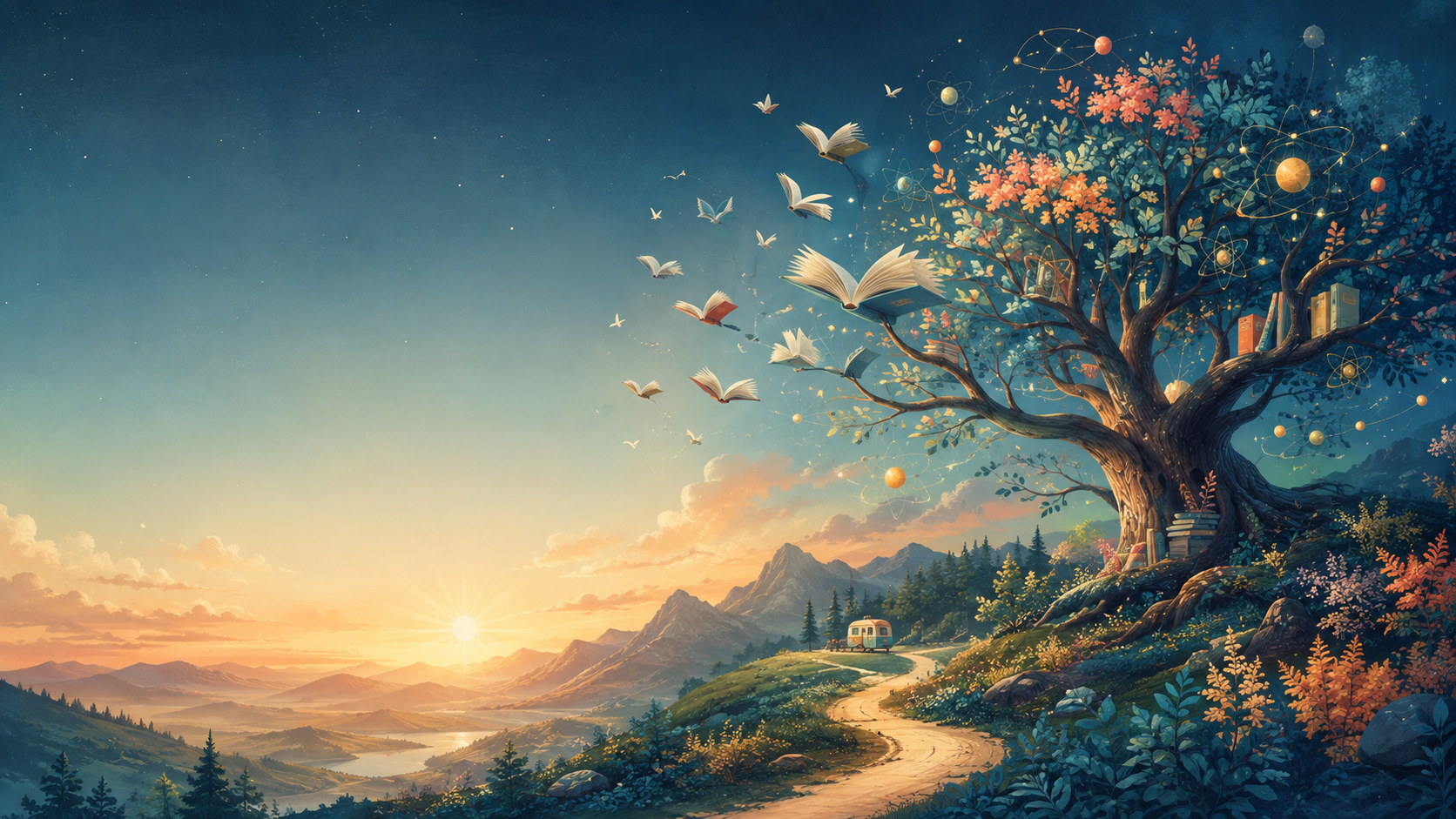
We are not leaving education behind.We are taking it with us.
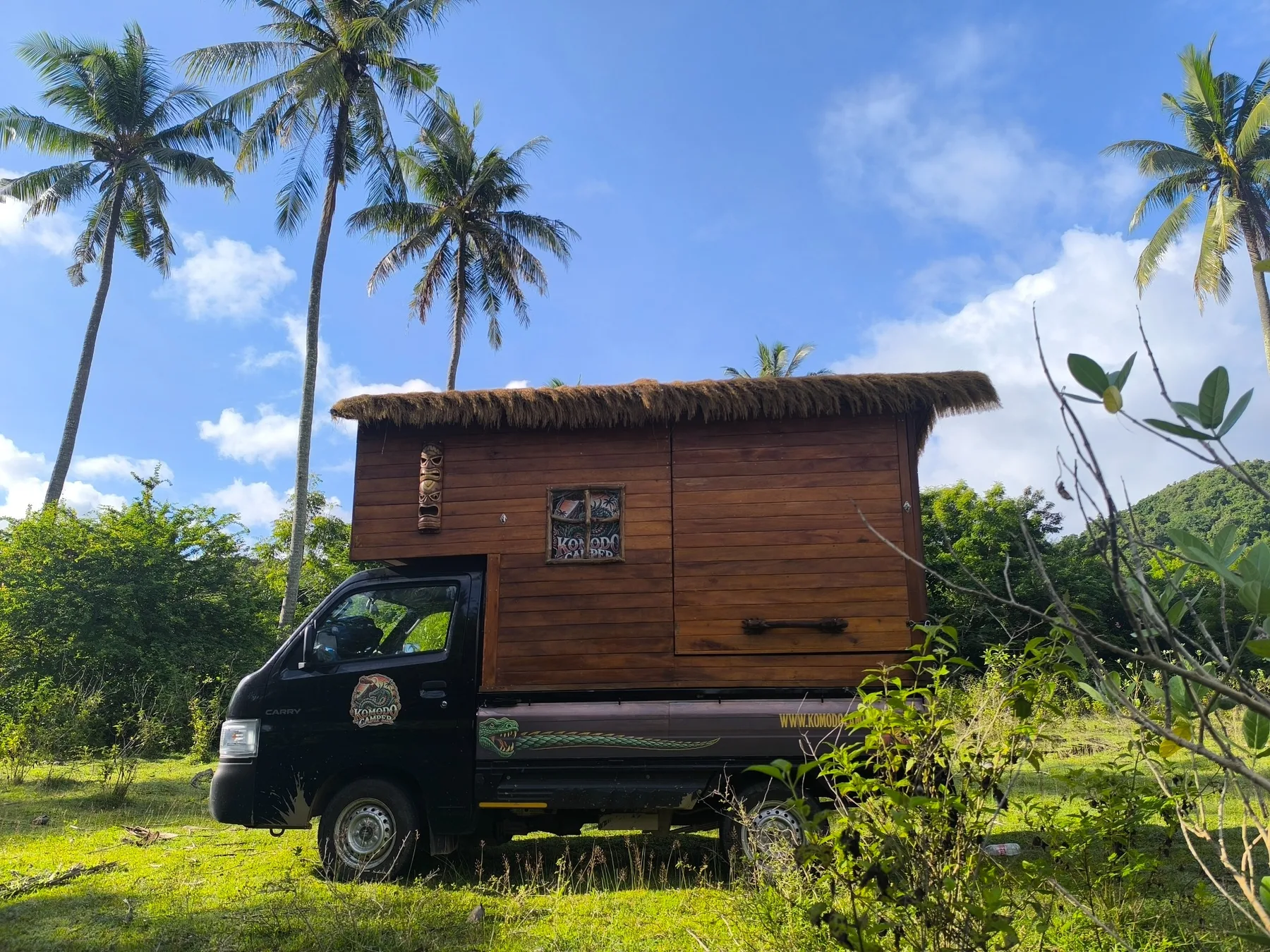
See where this journey began.
Read how a nature school, an off-grid project and the Komodo Camper first turned real life into our classroom.
Read our first story →