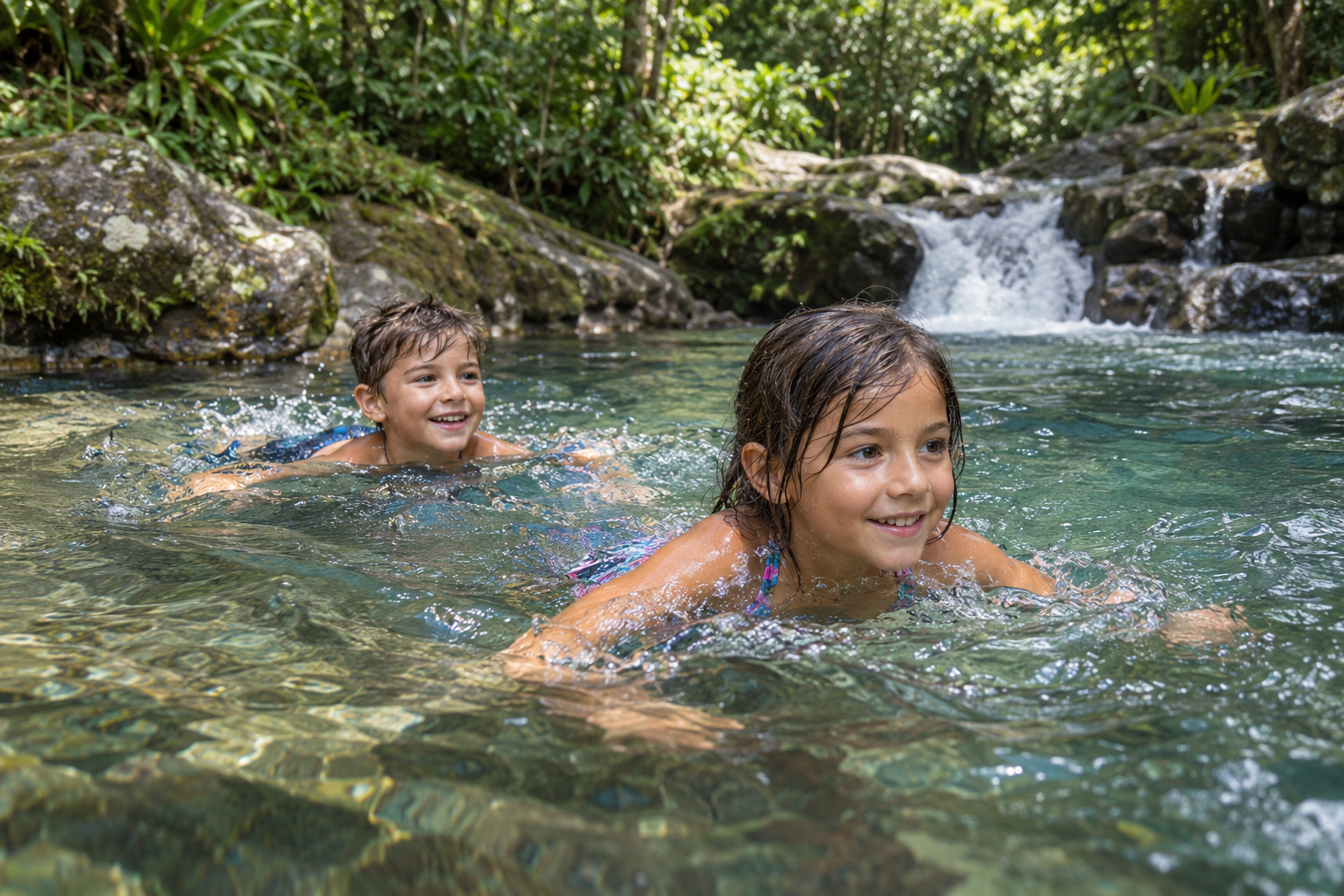
Today, while swimming with my children, I noticed that they were learning without thinking about learning. There was no diploma, grade or fear of falling behind. They were simply in the water: trying, watching, laughing and trying again.
That made me question why education so often turns natural curiosity into a sequence of requirements. Swimming qualifications can be useful, especially for safety, but the diploma is not what teaches a child to swim. The water does.
The pool became the teacher
My children did not begin with a theory lesson. They discovered what happened when they lifted their heads, kicked too hard, relaxed their legs or changed their hand position. The water gave them immediate feedback.
This was not effortless. They still needed encouragement, boundaries and an adult close by. Natural learning does not mean abandoning children. It means allowing children to take an active role in their progress.
The football experiment
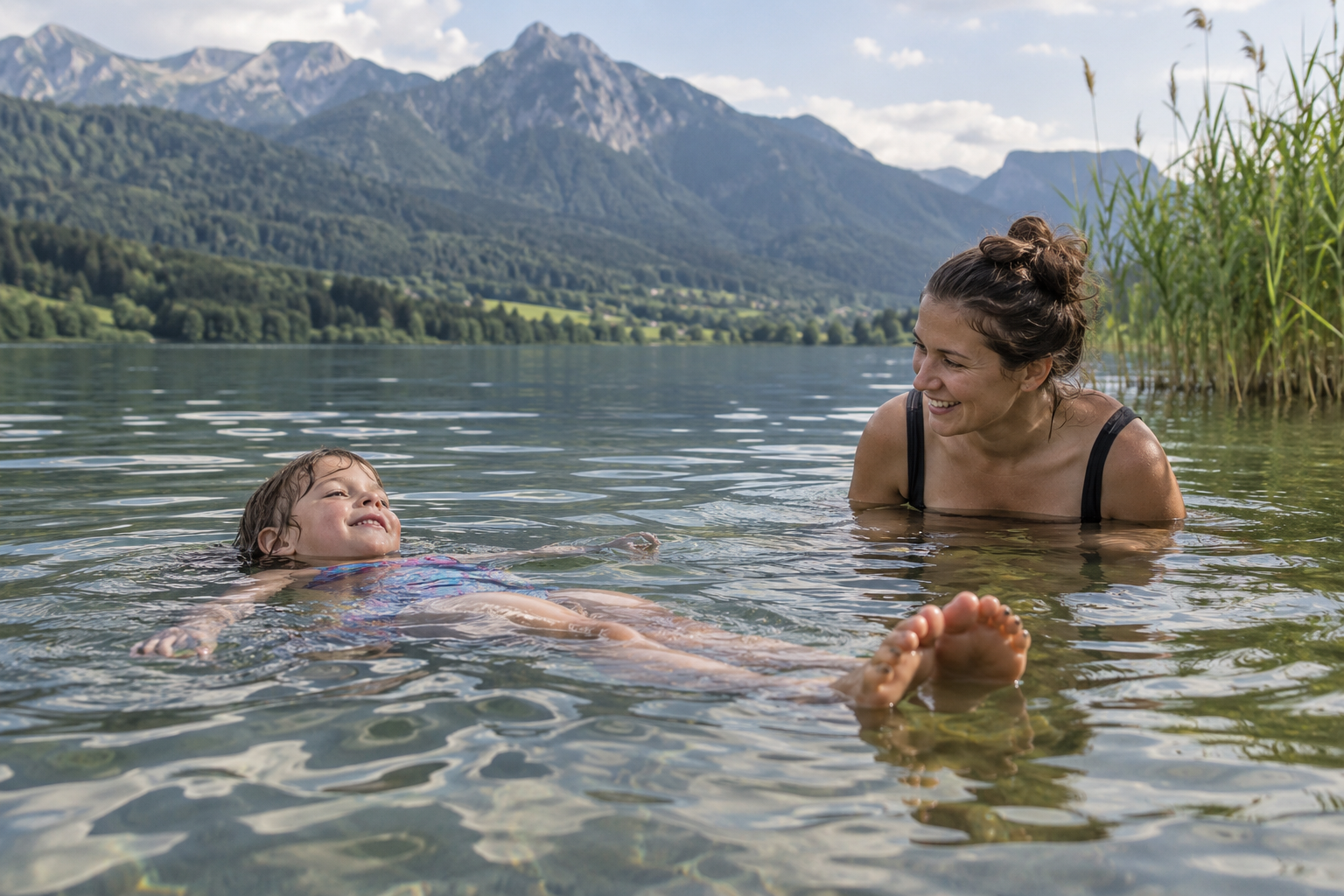
My son kept saying that his body was sinking. He was concentrating so hard on swimming that he was not taking enough air into his lungs. Because he was focused on moving, he had not yet understood why floating was possible.
So we took a football filled with air and held it under the water. The ball immediately pushed back towards the surface. That small experiment made the idea visible: air takes up space and creates buoyancy. He could feel the force instead of only hearing an explanation.
Then we connected it to his own body. When he relaxed and breathed in, he floated more easily. The lesson came from a real problem he wanted to solve, not from a worksheet about buoyancy.
Interest is a powerful curriculum
When children are interested, they still get tired and frustrated, but the effort belongs to them. A child who wants to float may return to the same challenge tomorrow—not for a score, but because becoming more capable feels good.
What if learning worked more like swimming?
Imagine education built around real questions and meaningful materials. Maths becomes useful when a child measures water. Science becomes alive when a child wants to know why something floats. Mistakes become information rather than permanent judgements.
The adult still guides, asks better questions and keeps children safe. But the adult does not need to carry the entire learning process.
Credentials should follow learning, not replace it
There is nothing wrong with measuring progress. A diploma can be helpful. A teacher can give useful feedback. A clear standard can protect children from being told they are ready when they are not.
The danger begins when the measure becomes more important than the ability itself. A child may learn to perform for a test without learning to think, adapt or use the skill in a new situation.
We should ask a different question: What can the child now do in the world?
Can they enter the water with confidence? Can they recognise when they need help? Can they practise a new stroke? Can they explain what changed? Can they help somebody else feel less afraid?
Learning should feel like becoming
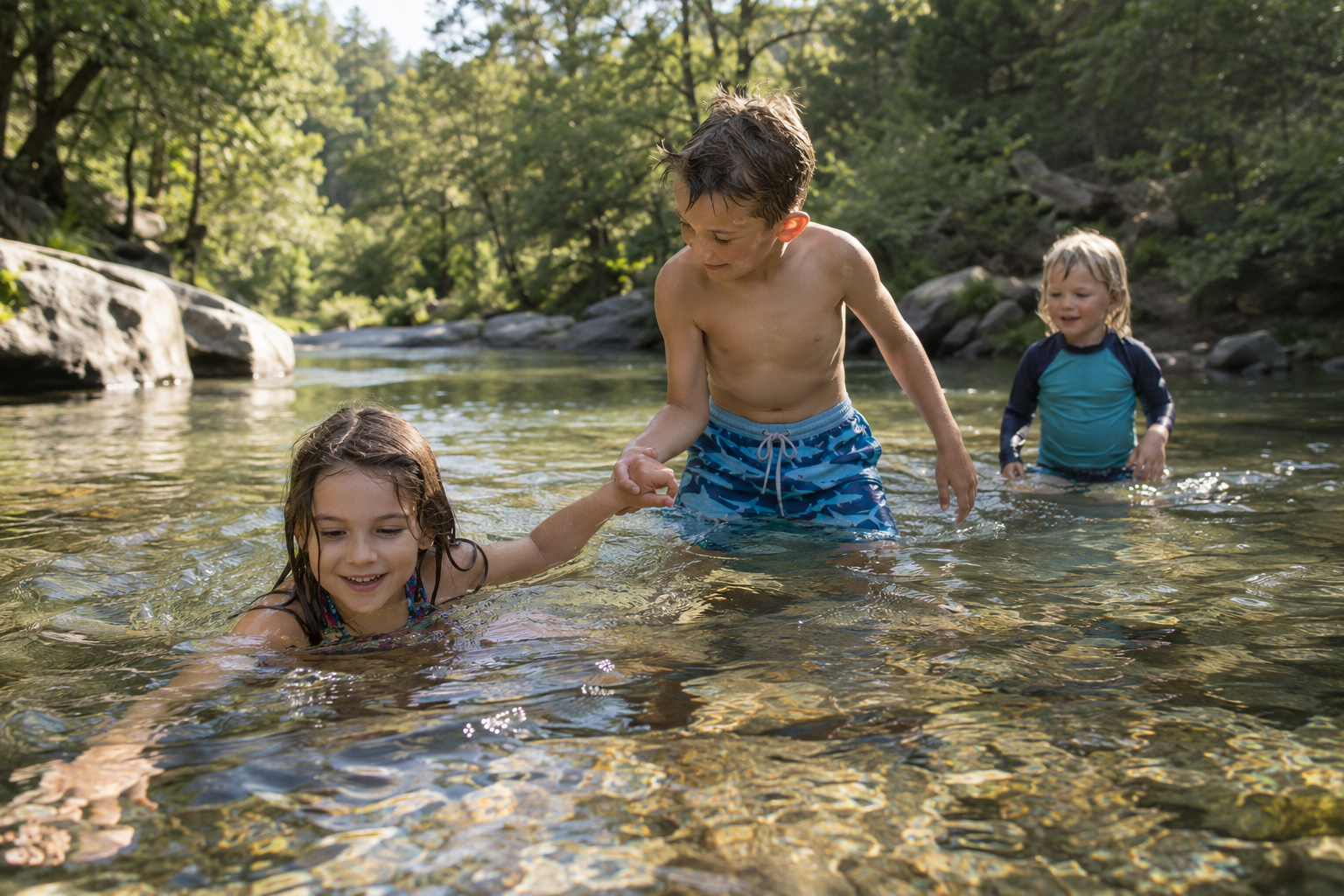
Watching my children swim reminded me that progress is often visible before it is officially named. Their movements became calmer. Their breathing became more natural. They began helping one another. Nobody needed to announce that a lesson had taken place.
Education should leave more room for these moments. Children need goals, but they also need room to become interested. They need guidance, but they also need ownership. They need standards, but they should not confuse a certificate with the knowledge and confidence the certificate is meant to represent.
Perhaps the best education is not the one that constantly asks, “What grade did you get?” Perhaps it is the one that makes children want to enter the water, try something difficult and discover what their bodies and minds can do.Learning begins when curiosity pulls us forward.
The world is already full of lessons.
Explore how ordinary problems can become meaningful learning experiences.
Read the story →