In China, we met children with strong discipline and academic knowledge, but also enormous educational pressure. In Bali, our children experienced freedom, nature, creativity and real-world learning. Learning of Life is our attempt to combine the strongest parts of both: solid knowledge, independent thinking, practical experience, community and the ability to understand the world—and use what we know to make it better.
What Chinese children told us
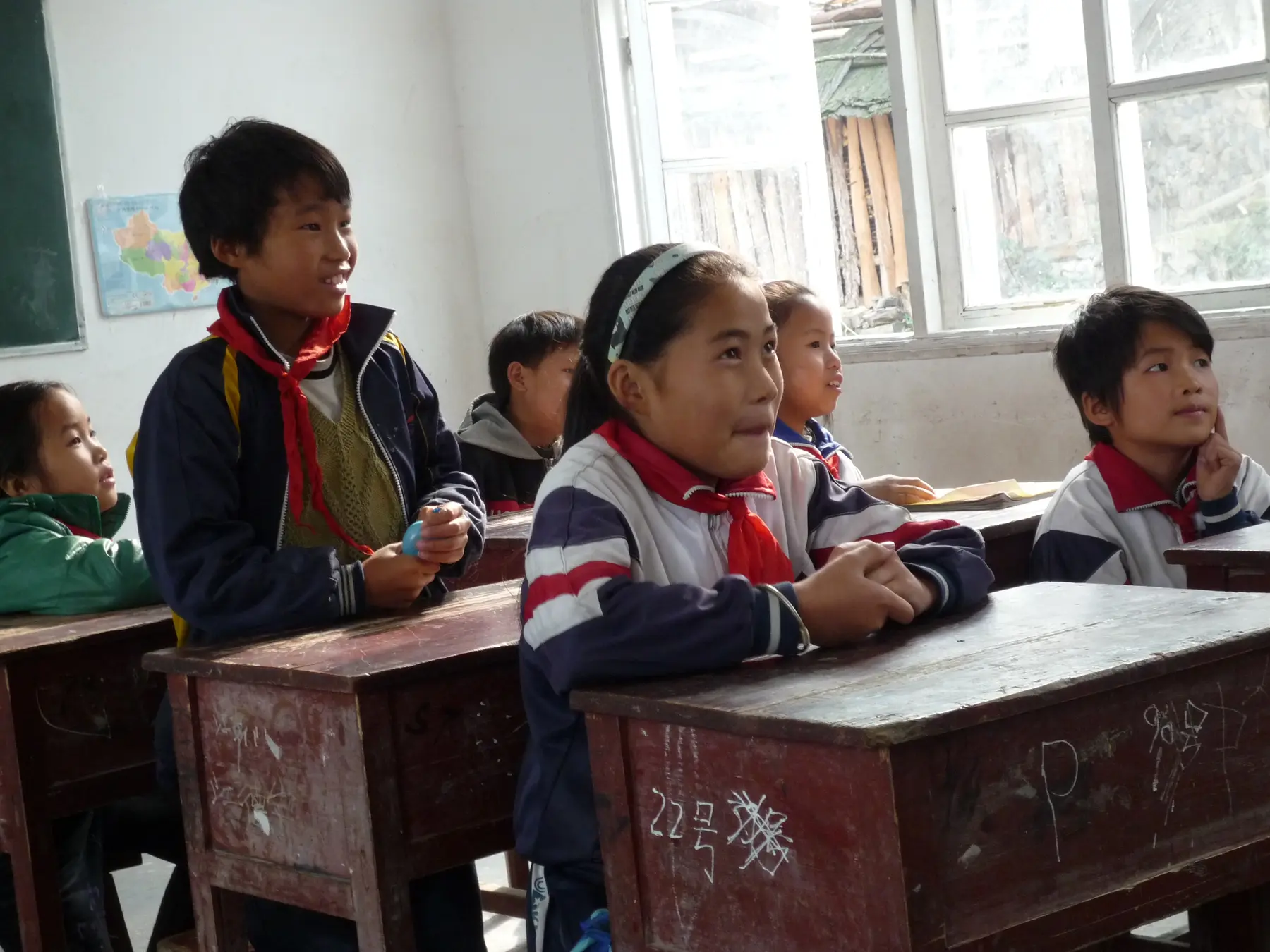
While staying in China, my boys spoke with other Chinese children about school.
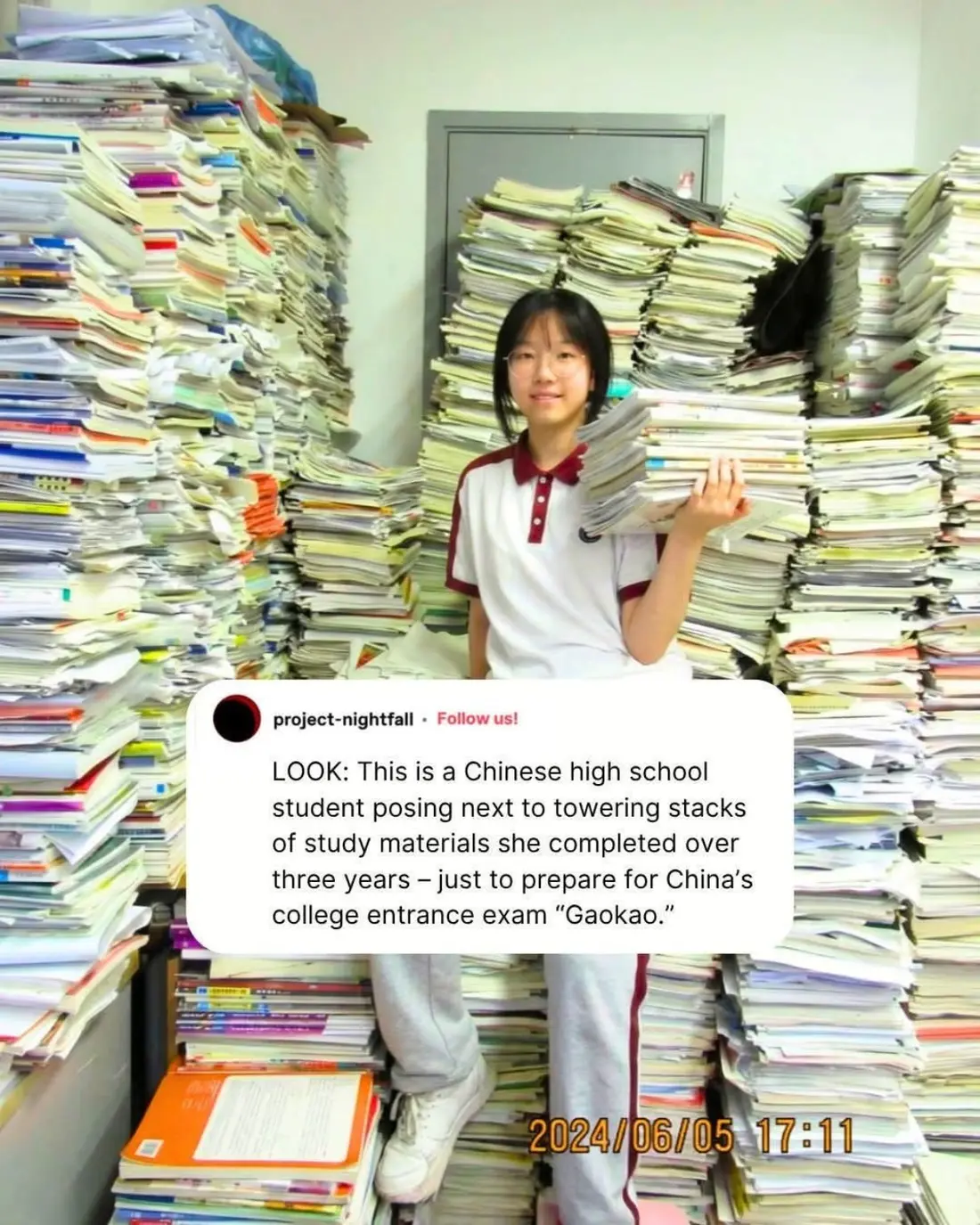
Some told them that even during the summer holiday, they still had around three hours of homework every day. On an ordinary school day, they could be busy from six in the morning until eleven at night.
School was followed by homework, additional lessons and preparation for the next test.
This does not describe every child or every school in China. But the pressure described by the children we met was real.
My boys found it difficult to imagine spending almost their entire day studying. They had grown up with a very different experience of education.
What Chinese education does well
It would be wrong to say that Chinese education has nothing to teach us.
Chinese students often develop discipline, persistence and strong academic foundations. Education is taken seriously, teachers are respected and families make considerable sacrifices for their children’s future.
Children learn that progress requires effort and that difficult work cannot always be avoided. These are valuable qualities.
Children need to read, calculate and understand science, history and language. Curiosity without knowledge can remain shallow. Creativity without discipline may never become something real.
The problem is not that Chinese children work hard. The problem begins when education focuses mainly on remembering facts, completing exercises and producing the expected answer.
When the correct answer becomes the only goal
Many traditional education systems are built around finding the correct answer. The teacher asks a question, the student answers and the test determines whether the information was remembered.
This can produce efficient learners, but it can also teach children to avoid uncertainty.
If asking a question suggests that you did not understand, remaining quiet can feel safer. If every problem has one approved solution, experimenting with another approach becomes risky. If mistakes reduce your score, hiding them becomes more attractive than learning from them.
Real life works differently.
Nobody always tells us what the problem is. We first need to recognise it, decide which information matters and sometimes act before we know everything.
That requires more than memory. It requires judgment.
A different education in Bali
Our experience at a nature school in Bali was almost the opposite.
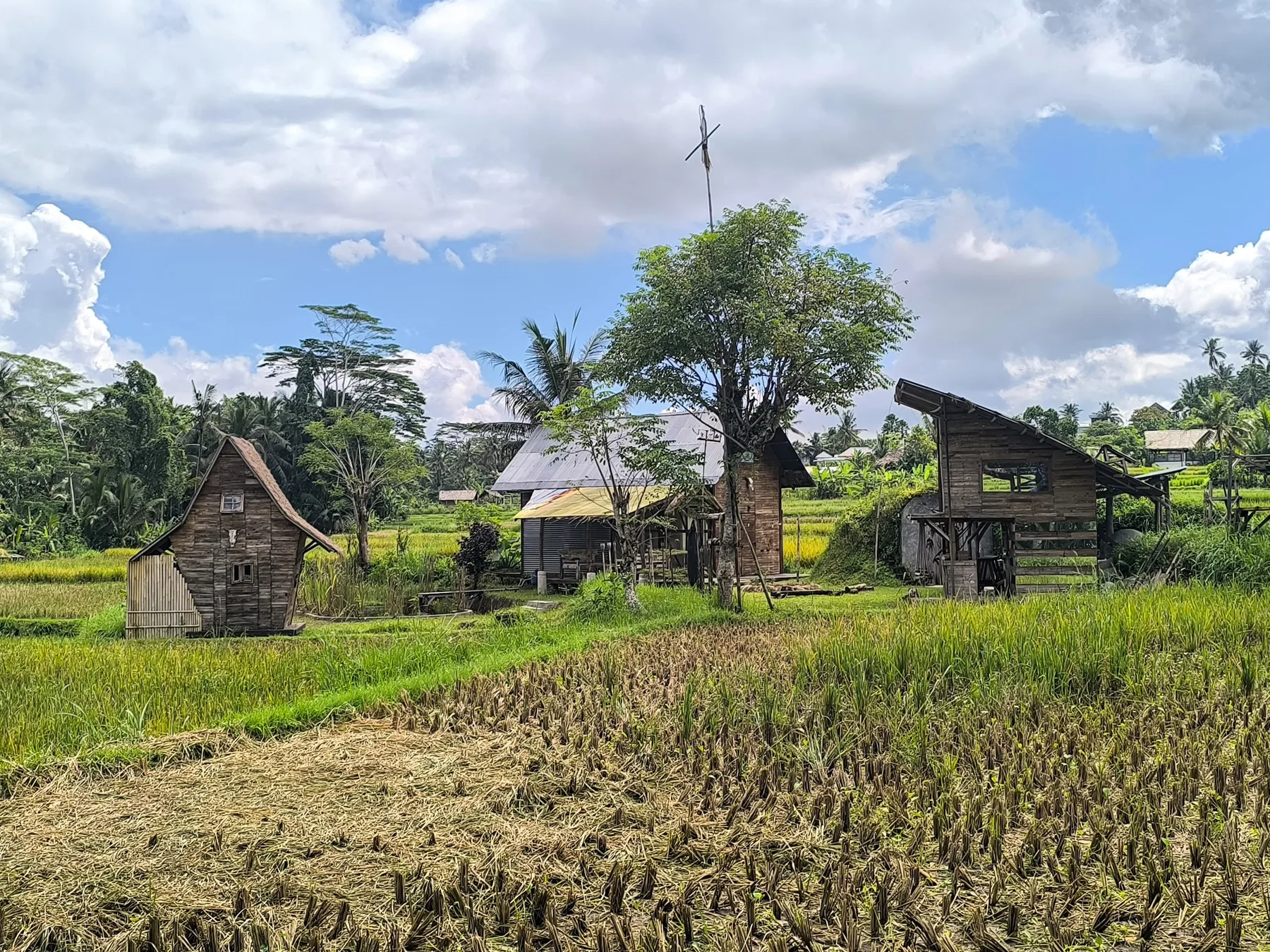
In 2020, we joined Empathy School, surrounded by rice fields. The children spent much of their time outside. They explored plants and animals, played in the mud, built things and followed questions that appeared naturally from the world around them.
A rice field could become a lesson about biology, insects, water, weather, food production and the lives of local farmers. A building project could combine mathematics, design, materials and teamwork. A camping trip could teach planning, cooperation, responsibility and resilience.
We also organised survival activities, including an adventure on an uninhabited island near Lombok. Water, shelter, food and teamwork were no longer topics to memorise. They became things the children needed to understand.
Children do not dislike learning
My boys often wanted to remain at school until 6:30 in the evening.
They did not want to stay because somebody forced them to complete more worksheets. They wanted to continue playing, building and discovering things with their friends.
Children do not dislike learning. They dislike learning that feels disconnected from life.
When children care about a question, they can concentrate for a surprisingly long time. Mathematics becomes meaningful when they need it to build something. Language becomes useful when they want to communicate. Biology becomes interesting when an ecosystem is directly in front of them.
Freedom alone is not enough
Nature schooling also has limitations.
Freedom, creativity and play do not automatically provide every academic foundation a child needs. Children still require structured support in reading, writing, mathematics and science. Some skills require effort and repetition before they become enjoyable or useful.
Education should expand a child’s world, not only follow what already feels interesting.
The future is therefore not a choice between strict traditional schooling and complete freedom. Children need structure and exploration, knowledge and questions, discipline and play.
What matters when AI already knows the facts?
Artificial intelligence makes this balance more urgent.
AI can retrieve facts, translate languages, summarise books and solve many standard school exercises within seconds. That does not make knowledge unnecessary.
Children still need knowledge in their own minds. Without a foundation, they cannot recognise when an AI answer is wrong, incomplete or misleading.
But remembering information can no longer be the final goal.
Children will need to ask better questions, recognise bias, compare explanations and judge whether information is reliable. They must learn when to use AI, when to challenge it and when to switch it off and investigate the real world.
The future will not belong only to children who remember the most facts. It will belong to those who understand what knowledge means and know what to do with it.
Professor LOL teaches through questions
Professor LOL will use the Socratic approach.
Instead of immediately giving children the answer, he will ask questions that help them think:
What do you already know?
Why do you think that?
What evidence supports your idea?
Could there be another explanation?
How could we test it?
What do you still need to learn?
The purpose is not to make children guess endlessly. Professor LOL can explain something when knowledge is missing or a child becomes stuck. But an answer should not end the learning. It should open the next question.
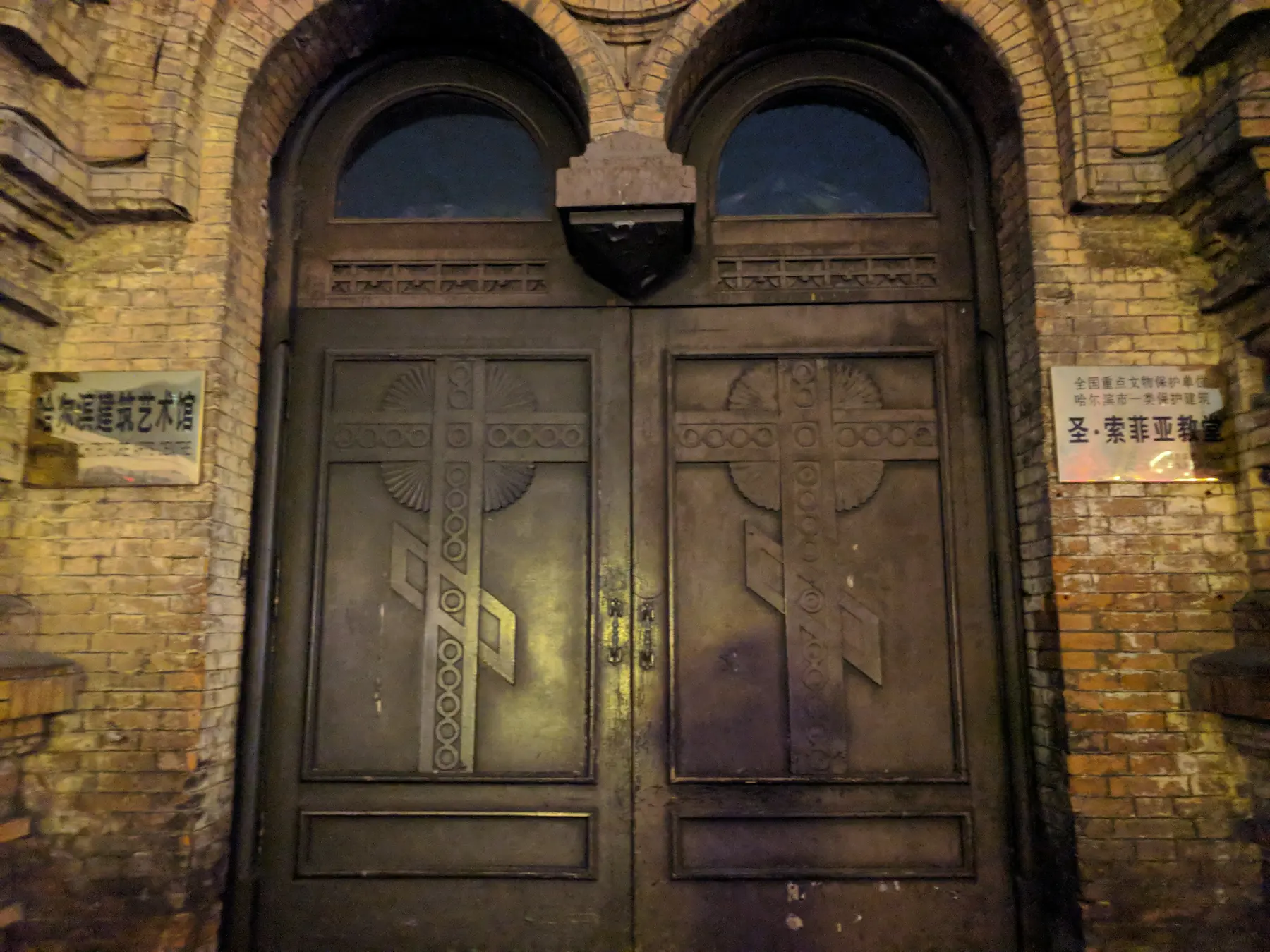
If children visit Saint Sophia Cathedral in Harbin, Professor LOL does not only tell them when it was built. He can ask what they notice about its architecture, why a Russian-style church stands in a Chinese city and what railways, migration and trade had to do with Harbin’s development.
One building can open questions about history, religion, geography, engineering and culture.
Professor LOL should not think for children. He should help children become better at thinking for themselves.
From visiting to investigating
Every place we visit can become a Professor LOL mission.
Before visiting, the children learn enough to become curious. During the experience, they observe, ask questions and complete practical challenges. Afterwards, they reflect on what surprised them, what they understood incorrectly and what they still want to discover.
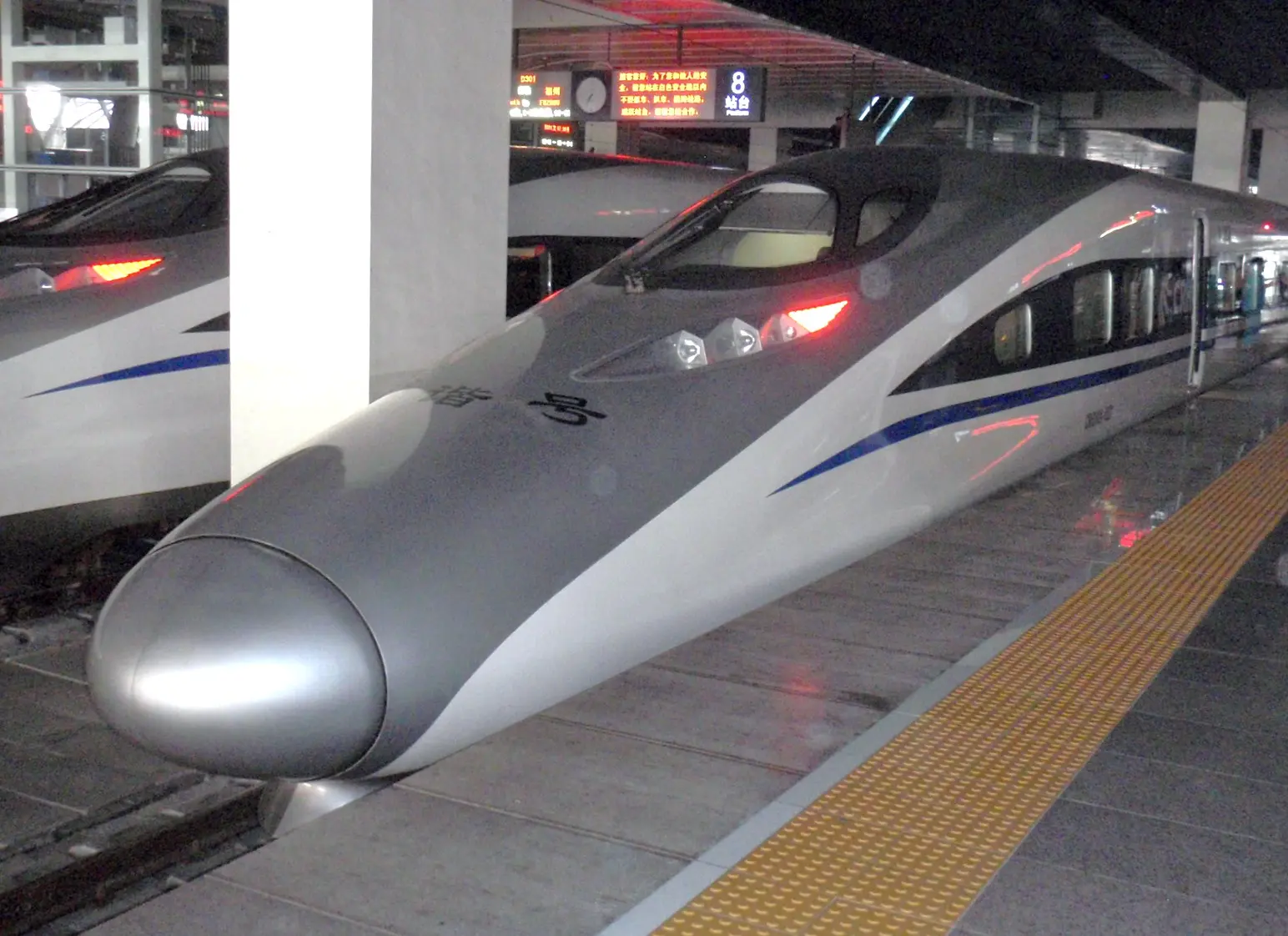
A high-speed train can become a mission about speed, distance, electricity and engineering. A metro journey can teach navigation, language and cooperation. A historical building can introduce migration, architecture and cultural change.
This turns travel from passive consumption into active learning.
We do not only ask, “Did you enjoy it?” We also ask, “What did you discover—and what do you still want to know?”
Understanding the world—and making it better
The purpose of education is not simply to know many facts. It is to understand how the world works and believe that we can help make it better.
Children should be able to look at a real problem and ask what they already know, how they can use that knowledge, what they still need to understand and what they can try.
Some problems can be improved using knowledge humanity already possesses. Other problems will require new discoveries and abilities that our children still need to develop.
Education must give children both knowledge and the ability to recognise what they do not yet know. They should be able to investigate, learn what is missing and use their growing knowledge to take responsible action.
The goal is not only to understand the world as it is. The goal is to help children imagine—and build—the world as it could be.
The best of both worlds
Chinese education reminded us of the value of effort, discipline and strong foundations. Bali reminded us of the value of nature, freedom, community, creativity and learning through experience.
Learning of Life does not need to copy either system completely. We can combine their strongest parts.
Children should be able to work hard without losing their childhood. They should know important facts without becoming afraid to ask questions. They should have freedom without being left without direction. They should use AI without allowing it to do all their thinking.
Education should prepare children for tests when necessary—but also for moments when nobody can provide the correct answer.
We can keep the discipline. We can protect the curiosity.Then we can open the classroom door and let the world become part of the lesson.
Returning to China.
Read how language, history, travel and Professor LOL missions turned our children’s birthplace into their classroom.
Read the previous story →