There is a moment I keep running into in China, and it never stops bothering me. I meet young people who did everything right: years of study, good exam results and a degree from a solid university. Then they start their first job and discover that they have had very little practice with real life.
They know the theory, but freeze when a customer changes their mind, a project goes sideways or two people disagree and there is no textbook telling them what to do next. They are not unintelligent. Some of the most capable people I have met struggle precisely because they were never given enough practice.
Why do we ask children to spend nearly twenty years preparing for life before allowing them to properly live any of it?
The fear of falling behind
I understand why parents worry about stepping outside the standard path. The question is usually: “What if my child falls behind?” Behind the class, the curriculum, the exams or the university requirements.
It is a powerful fear because almost everyone is walking the same road: school, exams, diploma, university and work. Leaving that road feels dangerous precisely because so few people do it.
At Learning of Life, we do not dismiss that concern. I track the Cambridge curriculum closely because I want to know whether my own children are developing properly in maths, English and science. Academic foundations matter. But I have stopped treating them as the destination.
What school often does not practise
I see the gap clearly through my work. Graduates arrive with strong academic records and then struggle when there is no single correct answer. They have to make a decision without instructions, take initiative, negotiate, recover from a mistake or solve a problem nobody has seen before.
For years, the system told them exactly what to study, when to study it and how success would be measured. Then, immediately after graduation, the rules changed. Now they were expected to think independently, handle uncertainty and act responsibly. Why do we assume those skills simply appear when school ends?
Real responsibility is real education
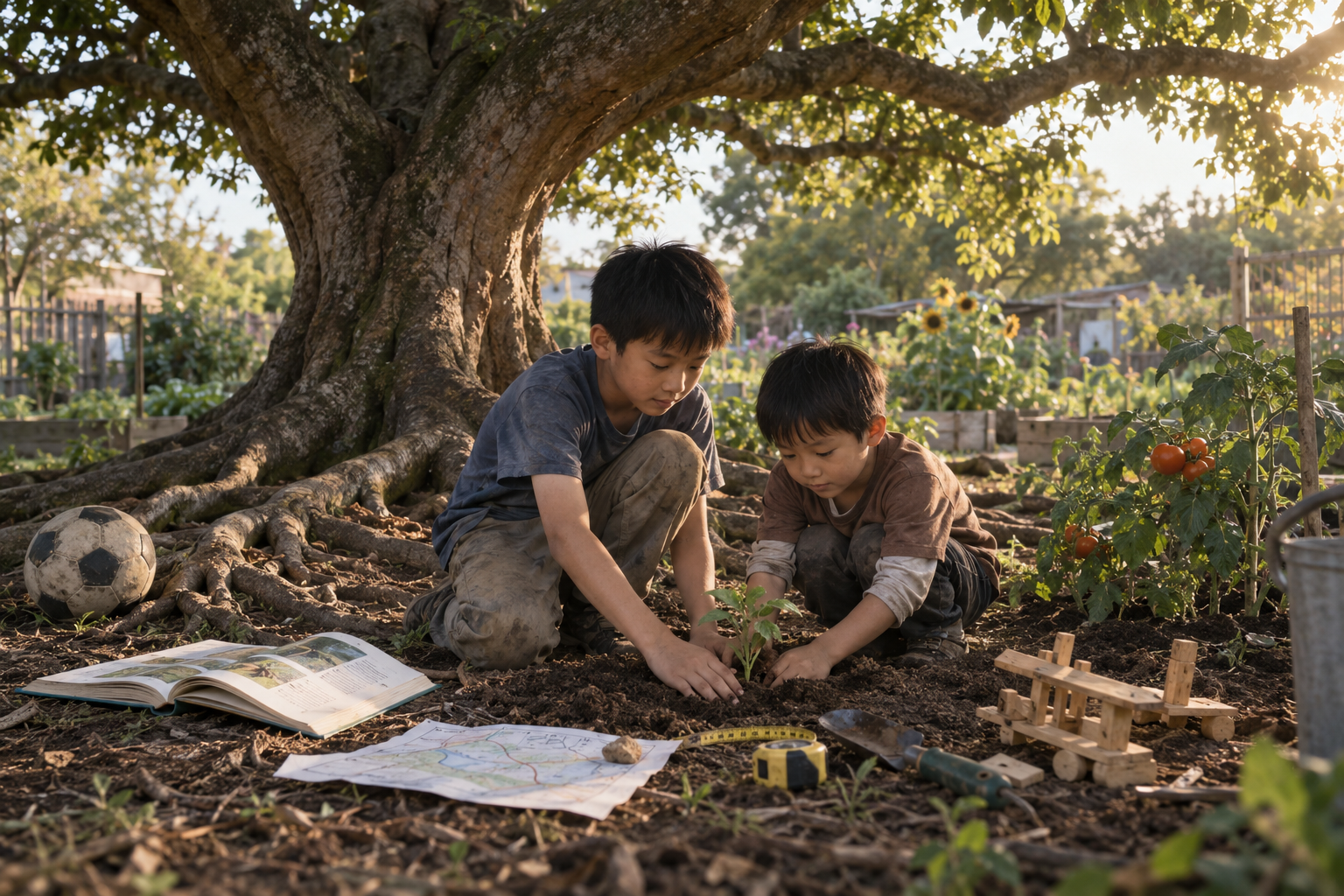
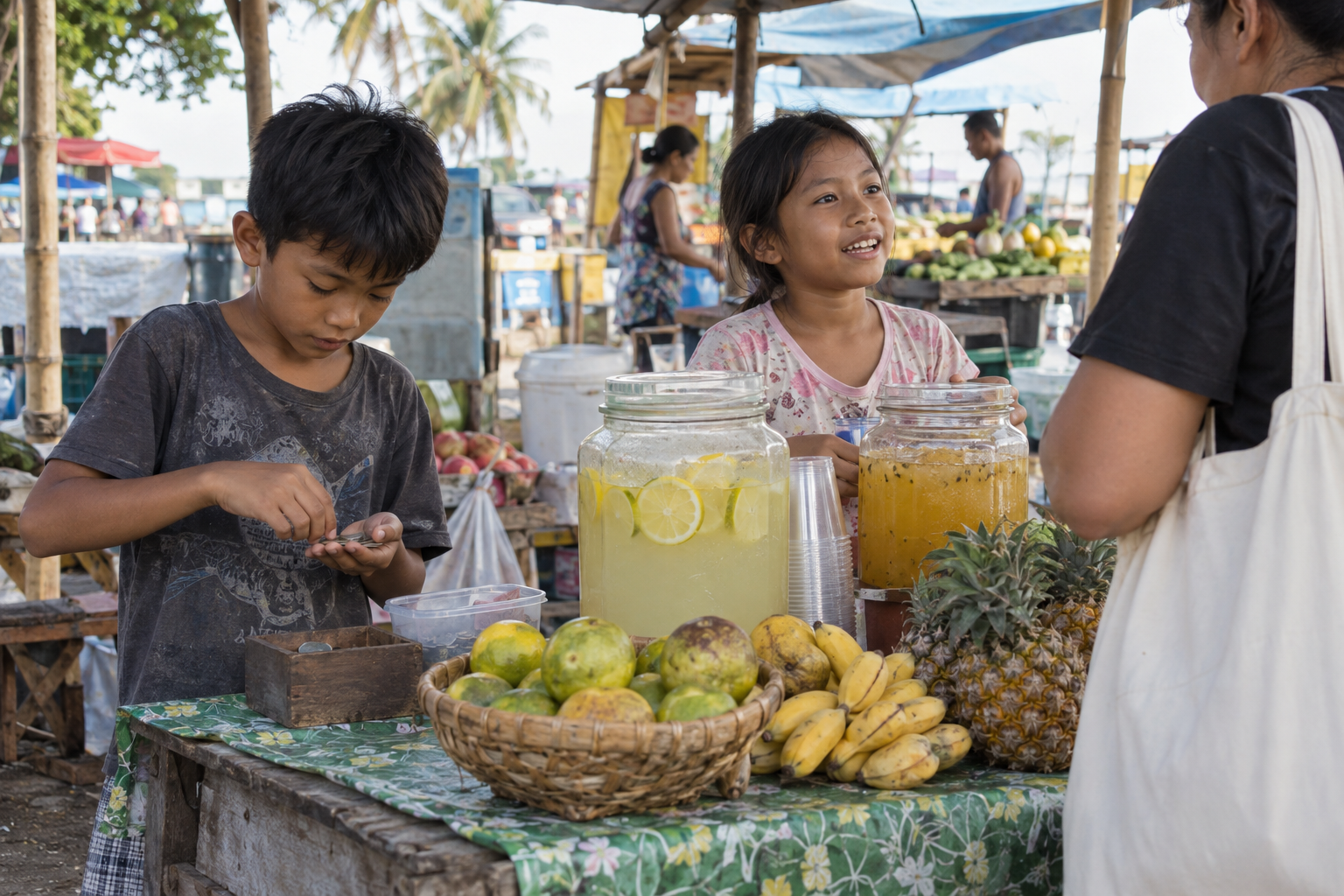
I am not talking about turning children into workers. I am talking about giving them real responsibility at the right age: helping organise an event, selling something they made, managing a small budget, interviewing a business owner, making a mistake and fixing it.
These are not distractions from education. They are education.
Real life also gives subjects meaning. A child can learn percentages from an exercise sheet, or work out whether a small project still makes a profit after costs rise by 20%. The maths is similar, but the learning is different. When the outcome matters to somebody else, children become more careful, creative and motivated.
From information to judgment
My generation had the opposite problem. Information was difficult to find. We needed books, teachers and libraries. Today children are drowning in it: Google, YouTube, TikTok, AI, social media and endless opinions.
Education cannot only be about handing over more facts. Children need to learn how to filter: What is reliable? What is noise? What is advertising or manipulation? Is this AI answer even correct?
Knowing something is not the same as understanding it. Understanding is not the same as being able to act on it. I think about education in three stages: know, understand, do. Traditional schooling is often strong at the first stage. At Learning of Life, we do not want to stop there.
There is more than one way to be ahead
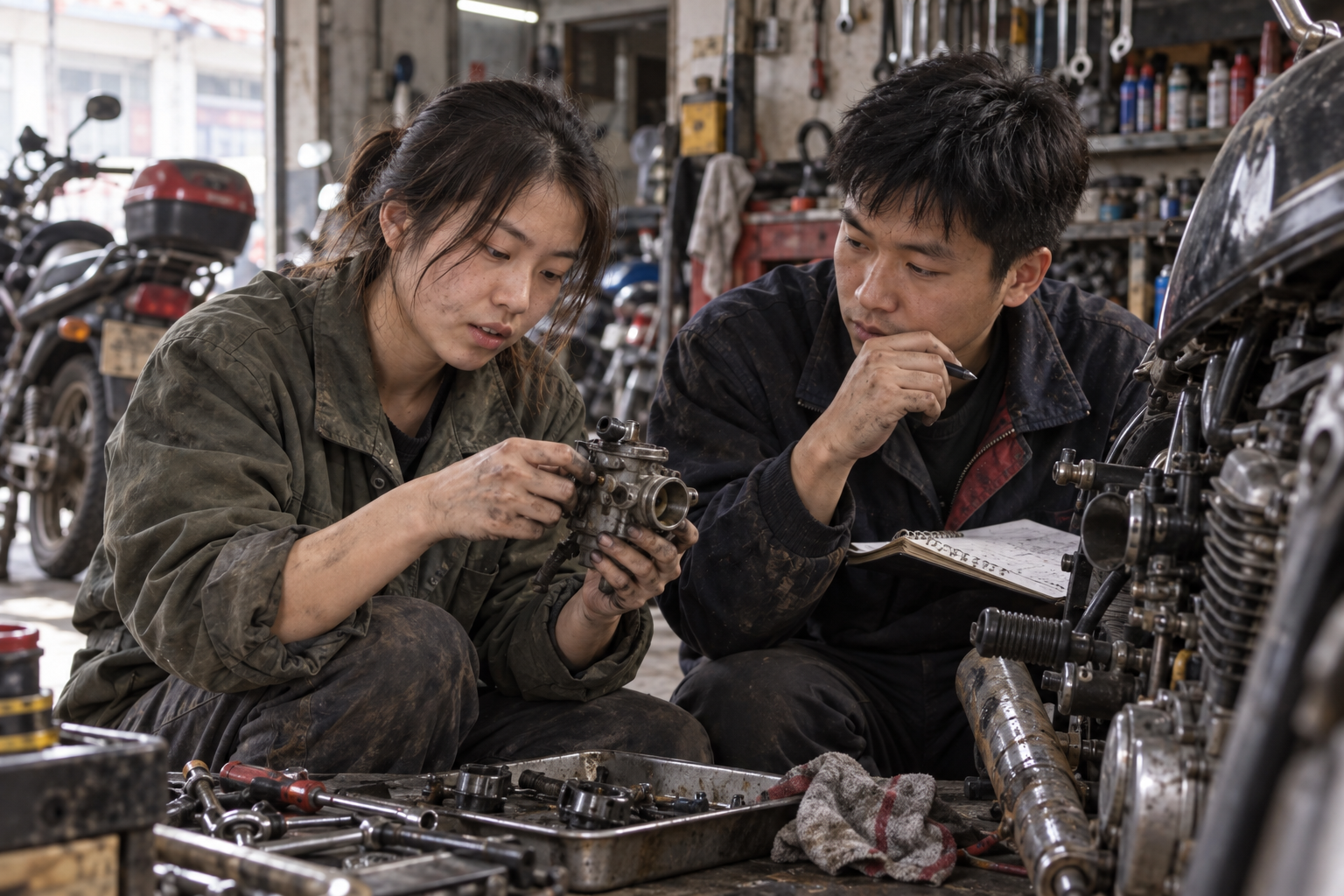
We talk constantly about children being “ahead” or “behind”, but usually we measure only one axis: the academic one. A child can be behind in maths and far ahead in independence, creativity or practical problem-solving. Another can achieve excellent exam results and freeze when something unexpected happens.
A single number cannot tell us who is actually ahead. We should track academic progress and keep the foundations solid, but a curriculum must not define the whole child.
Keep the doors open, but do not build the whole childhood around one door
I am not against university. For medicine, engineering and many scientific careers, a degree still matters enormously. If one of my children chooses that path, I want the academic foundation to support it. That is one reason we follow Cambridge standards.
But I do not want their entire childhood organised around getting through one specific door. I have no idea what the world will value by the time they are adults. Perhaps employers will care as much about portfolios and real project experience as they do about diplomas. We do not know. That uncertainty is the whole point.
Both academics and experience
I do not want to choose between academics and experience for my children. I want both: maths and money; science and nature; English and the ability to speak with people; technology and the ability not to be controlled by it; how to study, how to work, how to fail and how to recover.
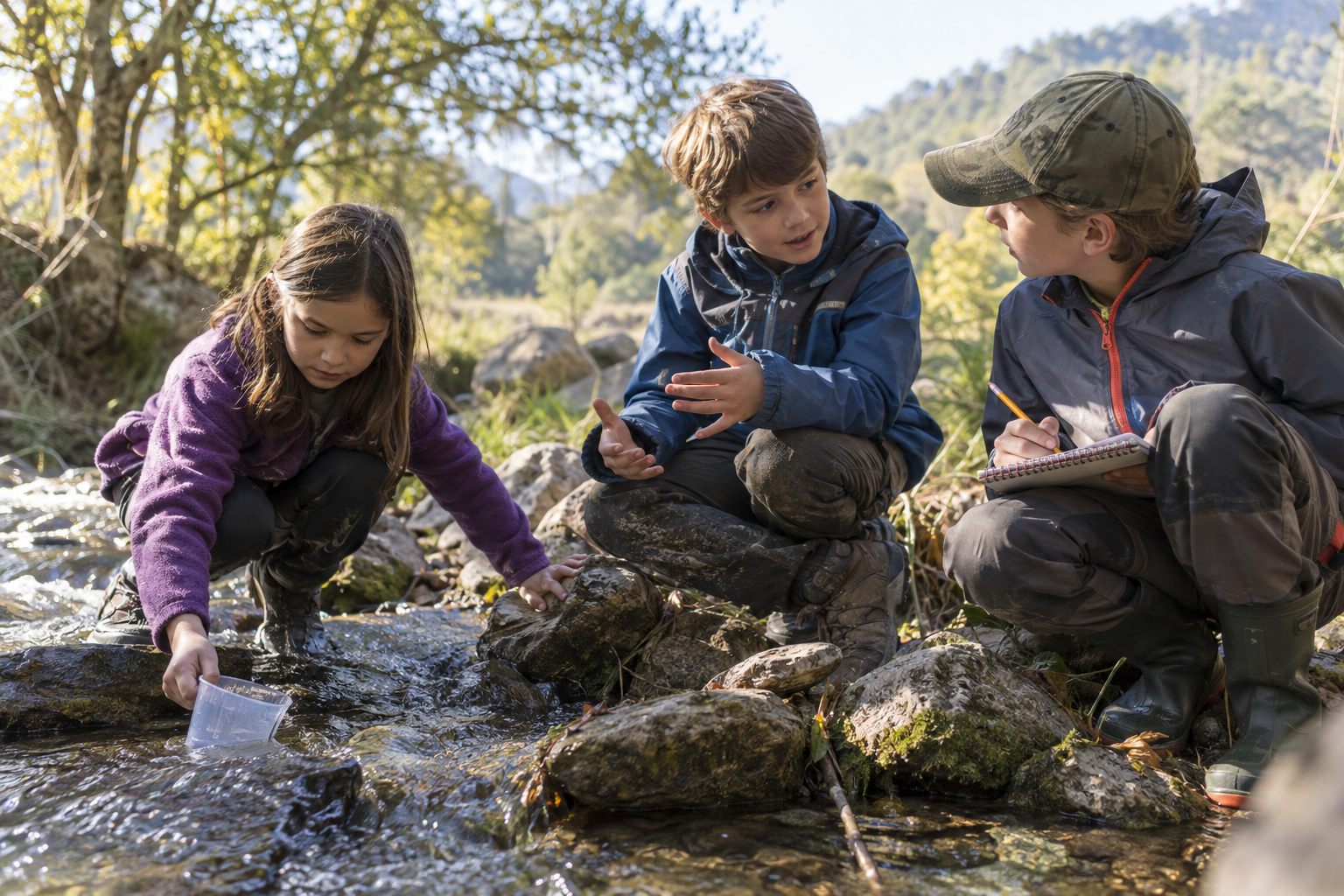
Childhood is not preparation for a “real world” that starts later. Children are already in it. The shop is part of the classroom. The forest is part of the classroom. A difficult conversation, a failed project and a small business idea that does not work are all part of the classroom.
Track the standard, but do not mistake it for the destination. The goal is a young person with curiosity, judgment, experience and the ability to learn whatever comes next — someone who can look at a problem and say: “I do not know the answer yet, but I know how to find out.”That is worth more than passing every exam.
Learning should prepare children for the world.
See how everyday experiences can become meaningful education.
Read the swimming story →